

Furniture Repair NYC: 3 Tips for Removing Pet Accidents From Your Home
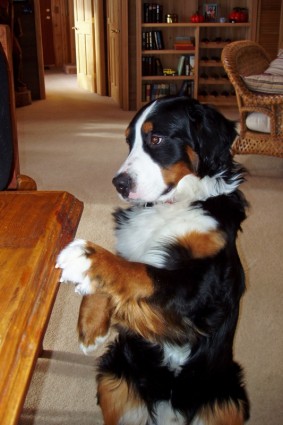
Our pets bring comfort, companionship, and plenty of happy moments into our homes. But even the best-behaved dog or cat can occasionally have an accident on a sofa, chair, rug, or other piece of furniture. If the damage becomes difficult to clean or affects the furniture itself, furniture repair NYC services can help restore your favorite pieces instead of replacing them.
Pet urine and other accidents should be addressed as quickly as possible. If moisture and odors remain in upholstery or cushions, they can become increasingly difficult to remove. More importantly, pets may continue returning to the same area if they can still detect traces of the previous accident.
The good news is that quick action can minimize the damage. With the right cleaning approach and proper furniture care, you may be able to restore the affected piece and extend its useful life.
Here are three practical ways to deal with pet accidents and protect your furniture.
Why Pet Accidents Can Damage Furniture
Pet accidents are more than surface stains. Urine can penetrate upholstery fabric, cushions, padding, and other layers of furniture. If it isn’t treated properly, it can leave behind persistent odors, discoloration, and moisture-related damage.
This is especially important with upholstered sofas and chairs because liquid can move beneath the visible surface.
Before treating the furniture, consider why the accident happened. A sudden change in bathroom habits can sometimes indicate that a pet is unwell or having difficulty reaching its litter box or getting outside. If unusual accidents continue, consulting a veterinarian is a sensible step.
For cats, keeping the litter box clean and accessible can encourage normal habits. For dogs, regular walks and a consistent routine can also reduce the chances of indoor accidents.
1. Use an Enzymatic Cleaner as Soon as Possible
The first step is to deal with the accident quickly.
For pet urine, an enzymatic cleaner can be more appropriate than a standard household deodorizer. These cleaners are formulated to break down organic compounds associated with urine rather than simply covering the odor with fragrance.
This matters because pets have a much stronger sense of smell than humans. A sofa may smell clean to you while your pet can still detect traces of the previous accident.
When treating upholstery:
Blot fresh moisture instead of aggressively rubbing it.
Follow the cleaner manufacturer’s instructions.
Test the product on an inconspicuous area first.
Avoid unnecessarily soaking the furniture.
Allow the treated area to dry thoroughly.
Different upholstery materials respond differently to cleaning products and moisture. Delicate, vintage, leather, or specialty furniture may require professional treatment rather than a DIY solution.
If the accident has penetrated deeply into a cushion or upholstered frame, surface cleaning may not completely eliminate the odor. In these situations, professional upholstery cleaning NYC services may be worth considering.
2. Follow Up With Baking Soda for Odor Control
After the affected area has been appropriately cleaned and dried, baking soda may help absorb residual odors on suitable fabric surfaces.
Baking soda is a common household odor absorber and doesn’t simply rely on adding a strong fragrance to disguise the smell. This can be useful when dealing with pet accidents because masking an odor doesn’t necessarily remove the source.
For compatible fabrics, apply a light layer of baking soda after cleaning and drying the area. Let it sit for a suitable period and then carefully vacuum it away.
However, always check the furniture manufacturer’s care instructions before using baking soda or any other cleaning product. Some upholstery materials require specialized treatment.
If an odor continues after cleaning, the problem may be deeper than the surface fabric. Pet urine can sometimes reach padding or internal furniture components. In such cases, professional cleaning or sofa repair may be necessary.
3. Protect Your Furniture Against Future Accidents
Once you’ve dealt with the immediate accident, think about protecting the furniture from future spills and stains.
Professional stain protection can provide an additional barrier on appropriate upholstery fabrics. Depending on the fabric and treatment, it may help make some future spills easier to clean before they penetrate deeply into the furniture.
Stain protection isn’t a guarantee against permanent damage, but it can be one part of a broader furniture-care routine.
You can also reduce future damage by:
Keeping pets away from recently cleaned areas until they’re completely dry.
Using washable throws or furniture covers where appropriate.
Cleaning accidents as soon as they happen.
Maintaining a consistent pet bathroom routine.
Checking upholstery regularly for developing stains or odors.
Taking these precautions can help extend the life of your furniture and reduce the need for extensive restoration.

When Cleaning Isn’t Enough, Consider Furniture Repair
Sometimes pet accidents cause more than an unpleasant smell or visible stain. Prolonged exposure to moisture can affect cushions, padding, wood components, and other internal parts of furniture.
If cleaning doesn’t solve the problem, don’t immediately assume that the furniture needs to be thrown away.
A professional inspection can determine whether the piece can be repaired, refinished, or restored.
This is where furniture repair NYC services can be useful. Depending on the condition of the piece, restoration may involve repairing a damaged frame, replacing internal materials, treating upholstery, or addressing other structural problems.
For valuable, sentimental, vintage, or well-built furniture, professional restoration may be an alternative to purchasing a completely new piece.
Upholstery Cleaning vs. Furniture Repair
It’s important to understand that cleaning and repair address different problems.
Upholstery cleaning focuses primarily on removing dirt, stains, odors, and other contaminants from suitable furniture fabrics.
Furniture repair addresses physical damage to the structure or components of the furniture.
For example, if your dog has an accident on a removable cushion and the fabric can be successfully cleaned, professional upholstery cleaning may be enough.
However, if moisture has damaged the cushion, affected internal materials, or contributed to deterioration, repair may be necessary.
In some situations, both services can be appropriate. Cleaning can address the stain and odor, while repair can address any physical damage that remains.
When to Call a Furniture Repair Professional
Not every pet accident requires professional repair. However, there are certain signs that indicate it’s time to have the furniture inspected.
Consider professional help if:
The odor remains after appropriate cleaning.
A cushion remains damp for an extended period.
Upholstery has developed permanent discoloration.
The furniture frame appears swollen or weakened.
Wood components have been exposed to significant moisture.
A cushion has lost its shape or support.
The furniture has sentimental or financial value.
Professional assessment can help identify whether the problem is limited to the upholstery or extends into the furniture’s internal structure.
For homeowners searching for furniture repair Brooklyn or other NYC-area furniture services, choosing an experienced professional can help determine the most practical restoration approach.
Professional Furniture Restoration for Damaged Pieces
Pet accidents aren’t the only reason furniture may need professional attention. Everyday use, moving, scratches, loose joints, worn fabric, moisture, and age can all contribute to furniture damage.
Depending on the condition and construction of a piece, professional restoration may involve:
Frame repairs
Cushion replacement
Upholstery cleaning
Structural repairs
Wood refinishing
Furniture restoration
Damaged component replacement
For homeowners who want to preserve an existing piece, restoration can be an alternative to purchasing new furniture.
Furniture repair can also be particularly valuable for pieces that have sentimental value or are difficult to replace.
If furniture needs to be moved before repair or restoration, furniture disassembly can also help make transportation safer and easier. Proper disassembly and reassembly can reduce the risk of damaging large or delicate pieces during a move.
Protect Your Furniture Before Small Problems Become Major Damage
Pet accidents can be frustrating, but they don’t automatically mean your favorite sofa or chair needs to be replaced. Acting quickly, using appropriate cleaning methods, and knowing when professional help is needed can make a significant difference.
For minor surface accidents, appropriate cleaning may be enough. For persistent odors, damaged upholstery, weakened components, or extensive staining, professional furniture repair NYC services can help determine the most suitable way to restore the piece.
With proper care and timely attention, well-made furniture can continue serving your home for many years instead of ending up in the trash after a single accident. Dr. Sofa provides professional furniture care, upholstery cleaning, repair, and restoration services to help homeowners protect and extend the life of their furniture.
If your furniture has been affected by pet accidents or everyday wear, contact Dr. Sofa to explore the right solution for your piece before deciding to replace it.
Frequently Asked Questions
1. How do you remove pet urine from a sofa?
Start by blotting fresh urine without aggressively rubbing the fabric. Use an appropriate enzymatic cleaner according to the manufacturer’s instructions and allow the area to dry completely. If the odor remains, urine may have penetrated the cushion or underlying upholstery and professional cleaning may be needed.
2. Can professional upholstery cleaning remove pet odors?
Professional upholstery cleaning can help remove many stains, contaminants, and odors from suitable furniture fabrics. Results depend on the upholstery material, how deeply the urine has penetrated, how long it has remained untreated, and the condition of the underlying materials.
3. When should you consider furniture repair after a pet accident?
Consider furniture repair when a pet accident has caused or revealed physical damage such as deteriorated padding, damaged upholstery, weakened components, or problems with the furniture frame. If cleaning doesn’t resolve the issue, a professional assessment can help determine the appropriate restoration method.
4. Can furniture repair NYC services fix pet-damaged sofas?
Depending on the type and extent of damage, furniture repair NYC professionals may be able to repair structural components, replace damaged materials, or restore affected furniture. An inspection is generally needed to determine the most appropriate repair method.
5. How can you tell if a sofa needs repair instead of cleaning?
If the furniture has structural damage, weakened joints, damaged internal components, deformed cushions, or persistent problems after professional cleaning, repair may be necessary. Cleaning addresses surface contaminants, while repair focuses on the furniture’s physical condition.
6. How can you prevent pets from damaging furniture again?
Clean accidents immediately, maintain a consistent bathroom routine, keep litter boxes clean, and consider washable furniture covers where appropriate. Professional stain protection may also provide additional protection for suitable upholstery fabrics and make future spills easier to manage.


Follow Us


