

Custom Made Furniture NYC: What Could Be Hiding in Your Sofa?
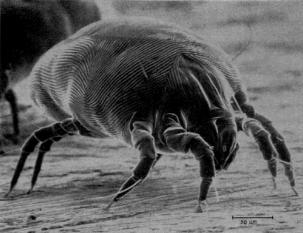
Your sofa is one of the most frequently used pieces of furniture in your home. It is where you relax after a long day, watch movies, spend time with family, or enjoy a quiet afternoon. But while your sofa may look clean, its fabric and cushions can collect dust, skin flakes, pet dander, and other everyday debris.
One tiny household organism that can live in upholstered furniture is the house dust mite. These microscopic creatures are difficult to see without magnification and are commonly found in indoor environments where dust and skin flakes accumulate.
The good news is that regular cleaning and appropriate furniture care can help keep your living space more comfortable. Whether you own a traditional sofa or are exploring custom made furniture NYC options for your home, understanding how to maintain upholstered furniture is an important part of keeping it in good condition.
What Lives Inside Your Sofa?
A sofa may appear clean on the surface, but dust and debris can collect in its seams, cushions, crevices, and underneath its frame. What accumulates depends on how frequently the furniture is used, the surrounding environment, and how regularly it is cleaned.
Understanding House Dust Mites
House dust mites are microscopic organisms that feed mainly on shed human skin flakes and other organic material found in household dust. They commonly thrive in indoor environments that provide suitable food, warmth, and moisture.
They may be present in mattresses, upholstered furniture, carpets, bedding, and curtains. Because they are so small, you generally cannot identify them by simply looking at your sofa.
Dust mite allergens come primarily from their waste particles and body fragments. For people who are sensitive to these allergens, exposure can contribute to symptoms such as sneezing, a runny nose, itchy eyes, or worsening asthma.
However, not every person experiences symptoms, and dust mites are not the only possible cause of indoor allergies. If symptoms persist, a healthcare professional can help identify potential triggers.
Why Upholstered Furniture Collects Dust
Sofas have several areas where household dust can settle, including:
Seams and folds in the upholstery.
Gaps between seat and back cushions.
The underside of removable cushions.
Areas beneath and behind the sofa.
Decorative fabric details and textured surfaces.
Pet hair, crumbs, lint, and everyday dirt can also accumulate in these areas. Regular maintenance helps remove this material and keeps your furniture looking presentable.
1. Vacuum Your Sofa Regularly
One of the simplest ways to maintain upholstered furniture is to vacuum it regularly. A vacuum with a suitable upholstery attachment can help remove dust, crumbs, pet hair, and loose debris from fabric surfaces.
Pay Attention to Hidden Areas
Do not focus only on the visible seat cushions. Remove loose cushions when possible and clean underneath them. Pay attention to seams, corners, and the area between the backrest and seat.
If the furniture has delicate fabric or special care requirements, check the manufacturer’s instructions before vacuuming or using an attachment.
For households with pets or frequent sofa use, a consistent cleaning routine can be particularly helpful.
Consider a Vacuum With Effective Filtration
A vacuum fitted with a HEPA filter or an appropriate high-filtration system can help capture fine particles, depending on the appliance’s design and performance.
Follow the manufacturer’s instructions for filter maintenance and dust disposal. Avoid emptying collected dust in a way that sends it back into the room.
Vacuuming is useful for general furniture care, but it does not guarantee the complete removal of dust mites or allergens.
2. Keep Indoor Humidity Under Control
Moisture can influence the conditions in which house dust mites thrive. Keeping indoor humidity at a moderate level may help make the environment less favourable for them.
Monitor Humidity Levels
Where practical, use a hygrometer to monitor your home’s relative humidity. Many allergy-management recommendations suggest keeping indoor humidity below 50% to help limit dust mite growth.
A dehumidifier may be useful in rooms that regularly feel damp. Ventilation and promptly addressing moisture problems can also help maintain a more comfortable indoor environment.
Avoid excessive humidity, but do not overlook the wider causes of indoor moisture, such as leaks or inadequate ventilation.
Maintain the Space Around Your Sofa
Leave enough space around furniture to make vacuuming easier. Clean beneath the sofa and avoid allowing dust to accumulate behind cabinets, side tables, or other items.
A tidy room is not automatically free from allergens, but reducing dust accumulation makes routine cleaning more manageable.
3. Do Not Forget Curtains, Carpets, and Cushions
Your sofa is only one part of the living room. Dust and allergens can also accumulate in other soft furnishings.
Clean Other Fabric Surfaces
Pay attention to curtains, rugs, decorative cushions, throws, and upholstered chairs. Follow the care instructions for each material because some fabrics can be washed while others require different cleaning methods.
Wash suitable cushion covers and bedding according to their labels. Clean rugs and carpets using methods appropriate for their construction.
Cleaning several areas of the room can be more useful than focusing exclusively on one sofa.
Create a Practical Cleaning Routine
You do not need to clean every item every day. Instead, establish a schedule based on how often the room is used, whether you have pets, and how quickly dust accumulates.
For example, you might vacuum frequently used seating regularly, clean under cushions as part of your weekly routine, and wash removable covers when needed and permitted by the care label.
Consistency is more important than relying on a single intensive cleaning session.

4. When Should You Consider Professional Upholstery Cleaning?
Routine vacuuming can remove loose debris, but it may not be sufficient for every stain or cleaning concern. Professional cleaning may be worth considering when upholstery has accumulated visible dirt or when routine maintenance no longer produces the desired result.
Choose a Method That Suits the Material
Different upholstery materials require different cleaning methods. A technique suitable for one fabric may damage another, particularly if it involves excessive moisture or an unsuitable cleaning product.
Before arranging cleaning, check the manufacturer’s care guidance and identify the material if possible.
For additional information, explore Dr. Sofa’s upholstery cleaning services.
Homeowners searching for upholstery cleaning NYC should review the service details and confirm availability for their location before making arrangements.
Remember that professional upholstery cleaning is not a guaranteed way to eliminate every dust mite or allergen. Its results depend on the furniture, the cleaning method, and the condition of the upholstery.
5. Should You Repair or Replace an Old Sofa?
Sometimes, the problem is not just dust. An older sofa may also have damaged seams, loose components, worn fabric, or cushions that have lost their shape.
Before deciding to replace it, assess the furniture’s overall condition. The frame, upholstery, cushions, and other components may need different types of attention.
When Sofa Repair May Be Appropriate
If the sofa has a specific problem, such as a damaged component or a loose section, repair may be worth exploring. The right approach depends on the type of damage and the furniture’s construction.
You can learn more about Dr. Sofa’s furniture repair services.
For homeowners searching for sofa repair, it is useful to describe the problem clearly when requesting an assessment. This helps establish which service may be appropriate.
When Reupholstery May Be Worth Exploring
If the upholstery is extensively worn or no longer suits your interior, reupholstery may be another option to consider.
Reupholstery involves replacing the existing upholstery material. It is different from furniture repair and upholstery cleaning, and it will not automatically resolve every issue with the underlying frame or cushions.
If you are considering reupholstery, visit Amazing Design by Dr. Sofa, which offers this service separately from Dr. Sofa’s furniture repair services.
6. Planning for Custom Made Furniture NYC
When selecting new furniture, it is worth considering both appearance and maintenance. Upholstery texture, cushion construction, removable covers, and the layout of the room can influence how easy a piece is to care for.
For homeowners researching custom made furniture NYC, start by identifying your space requirements, preferred materials, and everyday needs.
Think About Comfort and Maintenance
Before choosing a sofa, consider how frequently it will be used and whether the upholstery is suitable for your household. A busy family room may have different requirements from a formal sitting room.
Ask about the recommended cleaning methods for the materials you are considering. If removable covers are important to you, confirm whether the particular design offers them.
People researching custom furniture makers NYC should compare the services available and confirm that the provider can accommodate their intended design.
You can review Dr. Sofa’s custom-made furniture information to learn more about the listed service and confirm whether it suits your requirements.
7. Move and Maintain Furniture Carefully
Moving a sofa can expose areas that are rarely cleaned, including the floor beneath it and the back of the furniture. Take the opportunity to vacuum these areas and check for dust accumulation.
Before moving a bulky sofa, measure its dimensions and the available doorways, hallways, and staircases. Avoid forcing it through a narrow opening, as this may damage the furniture or surrounding surfaces.
For relevant NYC service information, visit Dr. Sofa’s furniture disassembly page.
Planning ahead can make furniture movement easier and provide better access for cleaning around the piece.
Keep Your Sofa Clean and Comfortable
Your sofa is an important part of your home, and looking after it involves more than removing visible stains. Dust, skin flakes, pet hair, and other debris can accumulate in upholstery, so regular vacuuming and a consistent cleaning routine are worthwhile.
Managing indoor humidity, cleaning other soft furnishings, and choosing suitable cleaning methods can also help reduce household dust and maintain a comfortable living environment.
If you notice persistent allergy symptoms, speak with a healthcare professional rather than assuming your sofa is the cause. Cleaning may help reduce exposure to some household allergens, but it cannot guarantee symptom relief.
Dr. Sofa has 25+ years of experience in the furniture industry. To discuss your furniture service requirements, visit the Dr. Sofa Free Quote page or explore the Dr. Sofa locations page for location information.
A little regular care can go a long way toward keeping your furniture in good condition and your living space welcoming.
Frequently Asked Questions
1. Can dust mites live in sofas?
Yes. Dust mites can live in upholstered furniture where suitable food and environmental conditions are available. They are microscopic, so they are not generally visible to the naked eye.
2. Can dust mites cause allergies?
Dust mite allergens can trigger symptoms in sensitive people, including sneezing, itchy eyes, and nasal symptoms. They can also contribute to asthma symptoms in some people.
3. How often should I vacuum my sofa?
The ideal frequency depends on how often the sofa is used, whether you have pets, and how quickly dust accumulates. Regular vacuuming, including beneath removable cushions, helps remove loose debris.
4. Does professional upholstery cleaning eliminate dust mites?
Professional cleaning may remove some dust and allergens, but results depend on the material and cleaning method. It should not be treated as a guarantee that all dust mites or allergens will be eliminated.
5. When should I consider sofa repair?
Consider sofa repair when your furniture has a specific issue, such as a damaged component or loose section. An assessment can help determine which approach is appropriate.
6. Where can I explore custom made furniture in NYC?
You can review Dr. Sofa’s custom-made furniture information and confirm whether the listed service meets your project requirements.


Follow Us


