

Sofa Repair: DIY vs. DIFM — Which Is Better for Your Furniture?
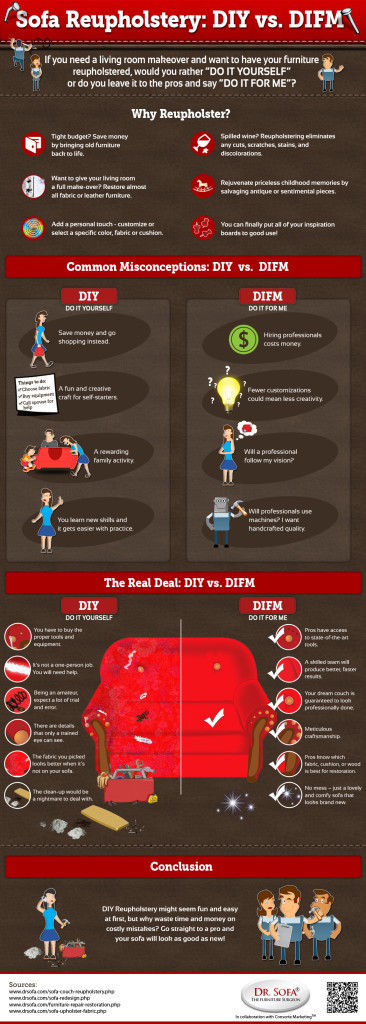
Thinking about refreshing your living room but unsure whether to handle the work yourself or seek professional help? When furniture starts showing signs of wear, sofa repair may be worth considering before you decide to replace it. From loose components and damaged frames to worn upholstery, understanding your options can help you choose the right approach for your furniture.
DIY stands for “Do It Yourself,” while DIFM means “Do It for Me.” Both approaches have advantages, but the right choice depends on your skills, available tools, the condition of your sofa, and the results you want to achieve.
Before making a decision, explore the differences between DIY furniture projects and professional assistance.
Why Consider Repairing Your Sofa?
A sofa is often one of the most frequently used pieces of furniture in a home. Daily use, family gatherings, and occasional spills can gradually affect its appearance and condition. Depending on the problem, sofa repair may help address specific issues without requiring you to replace the entire piece.
Here are some reasons to assess your furniture before buying something new.
1. Keep Suitable Furniture in Use
If your existing sofa still suits your home, repairing a damaged component may be worth considering. Loose legs, unstable joints, or certain frame problems may be repairable, depending on the construction.
A professional assessment can help you understand the available options before deciding what to do next.
2. Address Visible Wear and Damage
Everyday use can leave furniture with visible wear. Stains, scratches, loose components, and damaged surfaces require different solutions.
Professional sofa repair may be appropriate for certain structural problems, while upholstery cleaning may help address some types of dirt and staining. Identifying the actual issue is the first step toward choosing the right service.
3. Refresh Your Living Room
You do not always need to replace your furniture to update your living room. Rearranging your existing pieces, adding cushions, introducing a new color scheme, or addressing a damaged sofa component can help improve the room’s overall appearance.
For homeowners exploring upholstery Chicago options, consider the sofa’s current condition, fabric requirements, and how the furniture fits into the rest of the room.
4. Preserve Sentimental Furniture
Some furniture pieces have personal or family significance. If a sofa has sentimental value, it may be worth assessing whether the damage can be addressed while retaining the original piece.
The feasibility of a repair depends on the furniture’s condition, construction, and the extent of the damage.

5. Make More Informed Furniture Decisions
Before attempting a DIY project, identify the problem and determine what the work involves. A simple maintenance task may be manageable at home, while structural damage can require more specialized knowledge and tools.
Understanding the difference can help you decide whether DIY or professional assistance is the more practical option.
Common Misconceptions About DIY vs. DIFM
DIY projects can be creative and rewarding. They allow you to work at your own pace, experiment with ideas, and learn new skills. However, the time and effort required can vary considerably depending on the project.
Professional assistance also comes with considerations. You need to explain your requirements clearly, understand the proposed work, and confirm that the service addresses your particular furniture problem.
Let’s look at some common assumptions about each approach.
DIY: What to Consider
Creative freedom: You can explore ideas and choose the approach that suits your preferences.
Learning opportunities: Small projects can help you develop practical furniture maintenance skills.
Personal involvement: You can oversee the process and make decisions as you work.
Time commitment: Preparation, tools, practice, and cleanup can take longer than expected.
Risk of mistakes: An unsuitable technique or material may cause additional damage.
For minor maintenance tasks, DIY may be reasonable when you understand the materials and follow the manufacturer’s instructions. However, complicated sofa repair work can involve structural components that require careful assessment.
DIFM: What to Consider
Professional assessment: An experienced service provider can assess the specific problem and discuss possible solutions.
Appropriate tools: Certain repairs require tools or equipment that may not be available at home.
Practical guidance: You can ask questions about the furniture’s condition and the work being considered.
Less hands-on work: You do not have to manage every part of the repair yourself.
Clear expectations: You should understand the scope of work and the expected outcome before proceeding.
Professional assistance is not automatically necessary for every furniture problem. The best option depends on the task, your experience, and the condition of the sofa.
The Real Difference: DIY vs. Professional Sofa Repair
Understanding the practical differences can help you decide which approach is suitable for your furniture.
| Consideration | DIY | Professional assistance |
|---|---|---|
| Tools and equipment | You need to obtain suitable tools | The provider determines the tools required for the work |
| Skills | You rely on your existing knowledge and practice | You can seek assistance from someone experienced in the relevant work |
| Time | You manage preparation, work, and cleanup | The provider carries out the agreed work |
| Customization | You control your own design choices | You communicate your preferences and confirm what is feasible |
| Risk of mistakes | Incorrect methods may damage furniture | The outcome depends on the assessment and quality of the work |
| Best suited for | Tasks within your skills and equipment | Work that requires specialized knowledge or tools |
The table provides a general comparison. The complexity of the furniture and the type of damage will influence the most suitable approach.
When DIY May Be Suitable
DIY can be appropriate for straightforward tasks such as arranging cushions, vacuuming upholstery, or following the manufacturer’s instructions for routine maintenance.
Before starting any project, check whether the work could affect the sofa’s frame, moving mechanisms, or other structural components. If you are uncertain about how a component is assembled, avoid forcing it apart.
For more complicated sofa repair work, consider getting a professional assessment before attempting a fix that could make the damage worse.
When Professional Help May Be Better
Professional assistance may be worth considering when a sofa has unstable legs, loose joints, damaged frame components, or other structural problems.
The same applies when a repair involves a mechanism that you cannot safely access or understand. The appropriate service will depend on the sofa’s construction and the nature of the damage.
If you need help with a furniture issue, explore Dr. Sofa’s furniture repair services. You can also describe your requirements through the Free Quote page to discuss the work needed.
How Upholstery Cleaning Fits Into Furniture Maintenance
Not every furniture problem requires repair. Sometimes, the issue is related to dirt, dust, or staining rather than a damaged component.
Regularly vacuuming your sofa with a suitable attachment and following the manufacturer’s care instructions can help maintain its appearance. Always check whether a cleaning product is suitable for your particular upholstery material before using it.
If routine care is not enough, professional upholstery cleaning may be worth considering.
Homeowners researching upholstery cleaning NYC services should identify the fabric type and the nature of the stain before choosing a cleaning method. Cleaning can address certain surface problems, but it will not fix loose joints or damaged frame components.
When comparing sofa repair and cleaning options, first determine whether the problem involves the upholstery, the structure, or both.
What About Custom Furniture and Design Changes?
Sometimes, the problem is not damage but the way the furniture fits into your home. A sofa may be too large for the room, or your current arrangement may no longer suit your needs.
Before replacing furniture, measure the available space and consider whether rearranging your existing pieces would solve the problem.
If you are researching custom furniture NYC options, think about room dimensions, seating requirements, preferred materials, and how the furniture will be used. Homeowners exploring custom furniture Boston options can apply the same planning principles.
Custom furniture and furniture repair address different needs. A new design may be suitable when your requirements have changed, while sofa repair may be worth considering when the existing furniture remains appropriate but has a repairable problem.
Why Furniture Disassembly Matters
Moving a sofa can be challenging when a home has narrow doorways, tight corners, or restricted staircases. Measuring the route before moving the furniture can help you identify potential access problems.
In some cases, furniture disassembly may help make a large piece easier to move. However, not every sofa is designed to be taken apart, so its construction should be assessed before removing components.
You can learn more about Dr. Sofa’s furniture disassembly services if you need assistance with furniture access or moving-related requirements.
Planning ahead is especially useful when renovating a room or rearranging large pieces of furniture. It can help you determine whether the sofa can be moved as it is or whether another approach is needed.
Make the Right Choice for Your Sofa
DIY and DIFM can both be useful approaches, but neither is the right answer for every furniture problem. DIY may suit simple tasks within your skills, while professional help may be more appropriate for complicated structural issues.
Before beginning a project, inspect the sofa, identify the damage, and consider the tools and experience required. If you are unsure whether the furniture can be repaired, seek an assessment before attempting a complicated fix.
Thoughtful sofa repair decisions can help you understand whether your existing furniture remains suitable for your home. If the issue is limited to dirt or staining, cleaning may be more relevant. If the sofa has structural damage, a repair assessment may help clarify the available options.
For further information, visit Dr. Sofa locations page or submit your requirements through the Free Quote page.
Frequently Asked Questions
1. Is DIY sofa repair a good idea?
DIY may be suitable for simple tasks when you have the right tools and understand the materials involved. Structural damage or complicated mechanisms may require professional assessment.
2. When should I consider professional sofa repair?
Consider professional help if your sofa has loose joints, damaged legs, unstable components, or other structural problems. The appropriate solution depends on the furniture’s condition.
3. Can upholstery cleaning fix a damaged sofa?
Upholstery cleaning may help with certain dirt and stains, but it does not resolve structural problems. A damaged frame or loose component may require a separate repair assessment.
4. How do I decide whether to repair or replace my sofa?
Consider its overall condition, comfort, construction, and the type of damage. An assessment can help you understand whether repair is feasible or whether replacement may be more appropriate.
5. Can furniture disassembly help when moving a sofa?
It may help with certain furniture pieces when access is restricted. However, not every sofa can be disassembled, so its design should be assessed before removing components.
6. How can I maintain my sofa after a repair?
Follow the manufacturer’s care instructions, vacuum the upholstery with a suitable attachment, address spills promptly, and check the furniture periodically for signs of damage.


Follow Us


