

Sofa Reupholstery NYC: Then vs. Now in Living Room Furniture
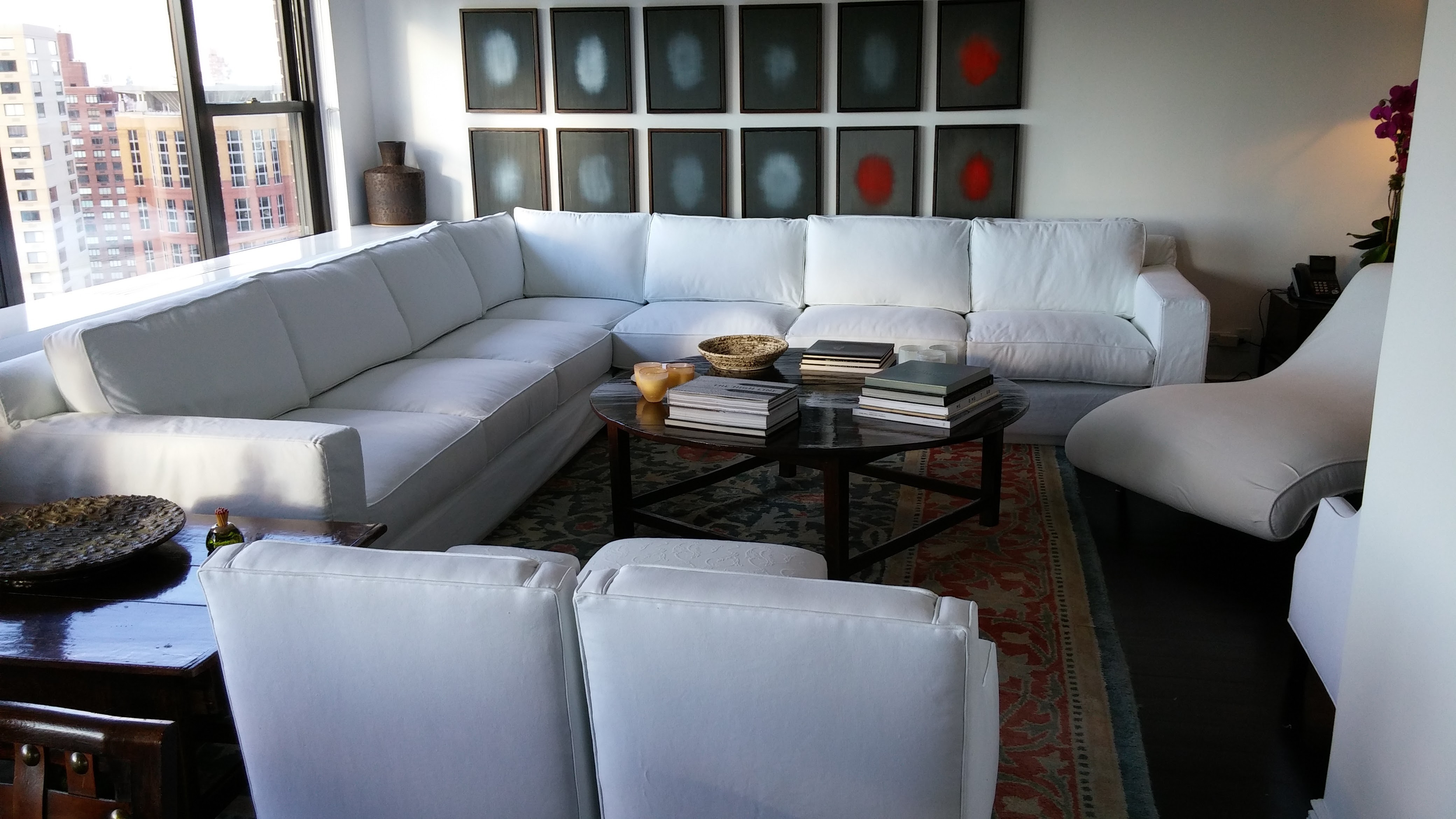
Living room furniture has changed significantly over the years. Traditional interiors often featured carved wooden frames, decorative details, and rich fabrics, while contemporary spaces tend to emphasize clean lines, versatile layouts, and practical comfort. Today, homeowners can combine elements from different periods to create living rooms that reflect their personal style.
Choosing furniture is not just about appearance. Comfort, durability, room dimensions, and upholstery condition also influence how well a piece fits into your home. An older sofa may have beautiful craftsmanship but need attention to its worn covering, while a contemporary sofa may offer a simple design that works well in a smaller space.
For homeowners exploring sofa reupholstery NYC options, understanding the differences between traditional and contemporary furniture can help when deciding how to refresh an existing living room.
Let’s explore how furniture styles have evolved and how thoughtful furniture care, upholstery choices, and custom designs can help you create a welcoming space.
Traditional vs. Contemporary Living Room Furniture
Traditional and contemporary furniture offer different approaches to design. Neither style is automatically better; the right choice depends on your home, preferences, and everyday needs.
Traditional Furniture: Detail and Character
Traditional furniture often draws inspiration from historical design periods. Depending on the style, pieces may feature carved wooden frames, rolled arms, decorative legs, button tufting, and detailed upholstery.
Dark wood finishes, patterned fabrics, and rich colours are common in many traditional interiors. These details can give a living room a formal, classic appearance.
Traditional furniture can also have sentimental value. An inherited armchair or an older sofa may be worth preserving because of its craftsmanship, personal history, or distinctive design.
When the upholstery begins to show wear, consider the condition of the frame and other components before deciding what to do with the piece. The appropriate approach depends on the furniture’s materials, construction, and overall condition.

Contemporary Furniture: Simplicity and Flexibility
Contemporary furniture generally reflects current design preferences, which continue to evolve. Many contemporary sofas feature streamlined silhouettes, less ornamentation, and neutral or carefully coordinated colours.
Modular seating, compact sofas, and multifunctional furniture can be useful in apartments and smaller living rooms. Their simpler shapes may also make it easier to coordinate furniture with different decorating styles.
Contemporary furniture does not have to look plain. Textured upholstery, contrasting cushions, distinctive legs, and carefully chosen accessories can add character without overwhelming the room.
When selecting a sofa, consider how it will be used. A household that regularly entertains guests may need a different seating arrangement from someone who prefers a quiet reading area.
How Living Room Furniture Designs Have Evolved
Furniture design has developed alongside changes in architecture, materials, and everyday lifestyles. Traditional rooms often emphasized coordinated furniture sets and decorative craftsmanship. Many modern interiors allow greater freedom to combine different shapes, finishes, and materials.
From Ornate Frames to Cleaner Lines
Traditional sofas may feature rolled arms, decorative wooden details, and elaborate upholstery patterns. Contemporary designs often use straighter lines, simpler arms, and more restrained detailing.
However, these categories are not strict rules. A modern sofa can incorporate traditional button tufting, while an older wooden chair can complement a contemporary living room.
The key is balance. Choose a few elements that connect the different pieces, such as a shared colour palette, similar wood tones, or complementary upholstery textures.
From Formal Rooms to Flexible Spaces
Living rooms now serve many purposes. They may be used for relaxing, entertaining, reading, working, or spending time with family.
This has increased interest in adaptable layouts and furniture that serves multiple functions. A sofa bed, storage ottoman, or modular seating arrangement can help make a room more practical.
Before purchasing additional furniture, measure the available space and consider how people will move around the room. A well-planned layout can make even a small living room feel more comfortable.
Materials: From Traditional Wood to Modern Combinations
Materials play an important role in furniture appearance, comfort, and maintenance.
Traditional furniture frequently uses solid wood, decorative veneers, and fabrics with detailed patterns. Contemporary furniture may combine wood, metal, glass, engineered materials, leather, and different upholstery fabrics.
Each material has its own care requirements. Wooden surfaces may need appropriate cleaning and protection, while upholstery requires methods suited to the particular fabric or leather.
Choosing Upholstery for Your Lifestyle
When selecting upholstery, consider how frequently the sofa will be used and what kind of maintenance you can manage.
For example, a busy household may prefer a fabric that is relatively easy to maintain. A formal living room might benefit from a textured material chosen primarily for its appearance and feel.
Colour also affects the overall impression of a room. Neutral upholstery can create a versatile foundation, while a distinctive colour or pattern can make the sofa a focal point.
If your existing sofa has a sound structure but its covering no longer suits your preferences, exploring sofa reupholstery NYC options may help you understand whether changing the upholstery is appropriate.
Reupholstery involves replacing the existing upholstery material rather than simply cleaning or treating the surface. It is a separate service from furniture repair and upholstery cleaning.
You can explore reupholstery options through Amazing Design by Dr. Sofa.
Sofa Reupholstery NYC: Refreshing Traditional and Modern Sofas
Replacing an entire sofa is not always the only option when its appearance becomes dated. Depending on the condition of the furniture, changing its upholstery may offer a way to update the look while retaining the original piece.
When Reupholstery May Be Worth Exploring
Reupholstery may be worth considering when:
The existing upholstery is extensively worn or damaged.
You want to change the fabric colour, pattern, or texture.
The sofa has a design or sentimental value you want to preserve.
The furniture’s overall construction makes it a suitable candidate.
The condition of the frame, cushions, springs, and other components should be considered before choosing this approach. Replacing the covering alone will not resolve every structural or comfort-related problem.
Match the Upholstery to Your Interior
The right upholstery can help connect traditional and contemporary furniture.
For a classic living room, a textured fabric or traditional pattern may complement carved wood and decorative accessories. In a contemporary space, a simpler fabric in a coordinated colour may create a more streamlined appearance.
You can also mix styles. A traditional sofa with updated upholstery may work well alongside a contemporary coffee table, while a modern sofa can be paired with an antique side table.
Before making a selection, consider the room’s lighting, wall colours, flooring, and other furnishings. These details influence how an upholstery material appears in the finished space.
Custom Made Furniture NYC: Designing Around Your Space
Standard furniture dimensions do not suit every home. Apartments with unusual layouts, compact living rooms, or specific seating requirements may benefit from exploring furniture designed around particular needs.
When researching custom made furniture NYC options, consider the dimensions, intended use, materials, and overall design before making a decision.
When Custom Furniture May Be Useful
Custom furniture may be worth exploring when you need a particular size, seating configuration, or design feature that is difficult to find in standard pieces.
For example, a compact sofa may be more suitable for a narrow living room than a large sectional. A specific shape or upholstery choice may also help furniture complement an existing interior.
If you are considering custom furniture NYC, start by measuring your room and identifying the features that matter most. Think about seating capacity, available floor space, access through doorways, and the style of your existing furniture.
You can review Dr. Sofa’s custom-made furniture information to learn more about the listed service. Confirm the available options and suitability for your project before making arrangements.
Upholstery Cleaning NYC: Maintaining Your Furniture
Whether your living room features traditional or contemporary furniture, regular care helps you identify problems and maintain its appearance.
Dust, spills, and everyday use can affect sofas and upholstered chairs. Cleaning requirements vary depending on the upholstery material, so it is important to follow the manufacturer’s instructions.
Basic Upholstery Care
A few practical habits can help maintain upholstered furniture:
Vacuum suitable fabric surfaces using an appropriate attachment.
Address spills promptly with a method suitable for the material.
Avoid harsh cleaning products unless they are confirmed as appropriate.
Keep furniture away from excessive direct sunlight when practical.
Inspect seams, cushions, and other components periodically.
Leather and delicate fabrics may require different care from durable woven materials. Always test a suitable cleaning product on an inconspicuous area before applying it more broadly.
If routine care is not sufficient, explore upholstery cleaning services. Professional cleaning may be appropriate for certain upholstery types and conditions.
For homeowners searching for upholstery cleaning NYC, checking the service details and confirming availability for your location is an important step before arranging assistance.
Plan Furniture Changes Carefully
Updating a living room may involve rearranging, repairing, or moving large furniture pieces. Before making changes, measure doorways, hallways, staircases, and the furniture itself.
A sofa that fits comfortably in a room may be difficult to move through a narrow entrance. Avoid forcing furniture through tight spaces, as this can damage the furniture or surrounding walls.
When a large piece needs to be taken apart before it can be moved, review the available professional options. Dr. Sofa provides information about its furniture disassembly service in NYC.
Planning the layout before moving furniture can also help prevent unnecessary handling. Mark out the intended position of the sofa, chairs, and tables, and leave clear pathways for comfortable movement.
Create a Living Room That Reflects Your Style
Traditional and contemporary furniture each offer useful design possibilities. Traditional pieces can bring craftsmanship and character to a room, while contemporary designs can offer clean lines and adaptable layouts. Combining the two can create a space that feels personal rather than tied to one period.
Start by assessing your existing furniture and deciding what works well. Consider repair for appropriate damage, explore reupholstery when the covering needs replacing, and follow suitable cleaning methods to maintain your upholstery.
Dr. Sofa has 25+ years of experience in the furniture industry. To discuss your furniture service requirements, visit the Free Quote page or explore the Dr. Sofa locations page.
With careful planning and the right furniture choices, you can create a living room that balances comfort, function, and timeless personal style.
Frequently Asked Questions
1. What is the difference between traditional and contemporary living room furniture?
Traditional furniture often features decorative details, carved frames, and classic shapes. Contemporary furniture generally reflects current design preferences, which may include simpler lines, versatile layouts, and varied materials.
2. Is sofa reupholstery suitable for older furniture?
It may be suitable when the sofa’s construction and overall condition make it a reasonable candidate. The frame, cushions, and other components should be assessed before deciding whether replacing the upholstery is appropriate.
3. Where can I explore sofa reupholstery in NYC?
You can explore reupholstery services through Amazing Design by Dr. Sofa. Reupholstery is separate from Dr. Sofa’s furniture repair services.
4. What should I consider when choosing custom made furniture in NYC?
Consider your room dimensions, intended use, seating requirements, material preferences, and access through doorways. Confirm the available design options with the relevant provider.
5. How often should upholstered living room furniture be cleaned?
Cleaning frequency depends on the material, household activity, and visible dirt. Regular maintenance and prompt attention to spills can help, while deeper cleaning should follow the manufacturer’s care instructions.
6. Can I combine traditional and contemporary furniture in one living room?
Yes. Use complementary colours, materials, or finishes to create a connection between different pieces. Balance decorative furniture with simpler elements and leave enough space for comfortable movement.


Follow Us


