

Upholstery Cleaning NYC: How to Move Antique Furniture Safely
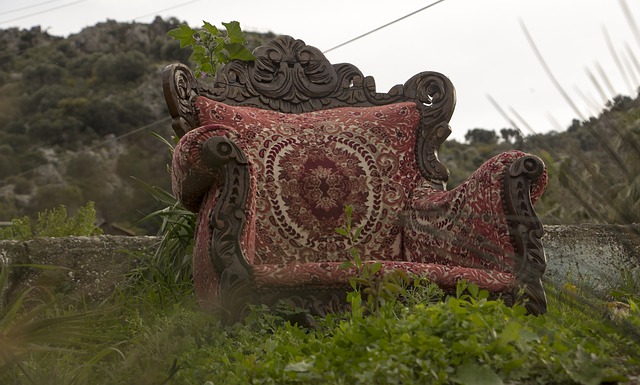
Moving antique furniture requires more planning than moving ordinary household pieces. Antique sofas, chairs, tables, cabinets, and other heirloom furniture can have delicate materials, older construction, fragile components, and finishes that need careful handling.
Whether you’re moving to a new home, rearranging a room, or placing an antique piece into storage, preparation is one of the most important parts of the process.
Before moving anything, inspect the furniture, document its condition, plan the route, and determine whether the piece needs to be disassembled. Upholstered antiques may also require additional care because older fabrics and materials can be more sensitive to cleaning and handling.
If your antique furniture needs professional attention before or after a move, upholstery cleaning NYC may be worth considering for suitable upholstered pieces. For furniture with physical damage, furniture repair NYC or furniture repair Brooklyn may also be an option depending on the furniture and its condition.
With 25+ years of experience, Dr. Sofa provides furniture-related services to help homeowners care for their furniture.
1. Make an Inventory of Your Antique Furniture
Before moving antique furniture, make a detailed inventory.
Walk through your home and identify every antique or heirloom piece that will be moved.
Your list might include:
Antique sofas
Armchairs
Dining tables
Side tables
Cabinets
Dressers
Bookcases
Ottomans
Decorative furniture
Other valuable or sentimental pieces
Take clear photographs of each item before moving it.
Photograph the front, back, sides, legs, drawers, hardware, and any existing imperfections that may be important to document.
Also make notes about the furniture’s current condition.
For example, record:
Existing scratches
Loose components
Cracks
Missing hardware
Stains
Torn fabric
Loose joints
Damaged finishes
This gives you a useful reference when preparing the furniture for transportation.
2. Inspect the Furniture Before Moving It
Don’t immediately start wrapping an antique piece without inspecting it first.
Older furniture can have components that require additional attention before it is moved.
Check whether:
Drawers are secure
Doors close properly
Legs are stable
Hardware is tight
Shelves are removable
Decorative elements are secure
Upholstery has loose areas
Glass components need special protection
If you notice a structural problem, consider addressing it before moving the furniture.
Trying to move a piece that is already unstable can make handling more difficult.
If you are searching for furniture repair NYC, professional repair may be worth considering when an antique or heirloom piece has a physical problem.
For homeowners looking specifically for furniture repair Brooklyn, the same principle applies: evaluate the furniture’s condition before deciding how it should be moved.
3. Measure the Moving Route
One of the easiest mistakes to make when moving large furniture is focusing only on the destination.
You also need to consider the route the furniture will take.
Measure:
Doorways
Hallways
Staircases
Elevators
Tight corners
Entryways
The final placement area
Compare these measurements with the dimensions of the furniture.
An antique cabinet may fit comfortably in a room but still be difficult to maneuver through a narrow doorway.
Planning the route beforehand can help you identify potential problems before moving day.
Don’t forget to consider the furniture’s shape as well as its dimensions. A tall cabinet or wide table may require additional clearance when turning corners.
4. Decide Whether the Furniture Needs Disassembly
Not every antique piece should be disassembled.
The construction of the furniture should be considered before deciding whether taking it apart is appropriate.
Some large furniture pieces may be designed in a way that allows certain components to be removed for easier handling. Other antique pieces may contain delicate joints, finishes, hardware, or construction methods that require greater caution.
Never force a component apart simply to make the furniture easier to move.
If a large piece does need to be carefully taken apart, professional Furniture Disassembly NYC can be considered.
The goal is to make the furniture easier to handle without unnecessarily disturbing components that are better left intact.
5. Remove Loose and Removable Components
Before moving antique furniture, identify components that can be safely removed.
Depending on the piece, this might include:
Removable shelves
Drawers
Cushions
Glass panels
Detachable legs
Hardware
Removing suitable components can reduce weight and make the furniture easier to handle.
However, keep every removed component organized.
Place small hardware in clearly labeled containers or bags and keep them with the corresponding furniture piece.
For furniture with multiple drawers or removable components, labeling each part can make reassembly much easier.
6. Protect Delicate Surfaces
Antique furniture often has finishes and decorative details that can be vulnerable to scratches and impact.
Before transportation, protect suitable surfaces using appropriate moving materials.
Pay particular attention to:
Corners
Edges
Glass
Decorative details
Wooden surfaces
Handles
Legs
Polished finishes
Avoid placing adhesive materials directly onto delicate finishes unless the material is specifically designed for that purpose.
The objective is to protect the furniture without creating another problem.
7. Give Upholstered Antiques Extra Attention
Antique upholstered furniture requires particular care because the fabric and underlying materials may be older and more delicate.
An antique sofa or chair may have accumulated dust and dirt over many years.
Before moving it, inspect the upholstery for:
Loose fabric
Tears
Stains
Weak seams
Decorative trim
Loose cushions
Damaged areas
If the upholstery needs professional cleaning, upholstery cleaning NYC may be an option depending on the material and condition.
Avoid experimenting with household cleaning products on antique upholstery.
Older fabrics can react differently to moisture and cleaning products than modern upholstery. Professional assessment can help determine an appropriate approach.
8. Protect Antique Furniture From Moisture
Moisture is another important consideration during a move.
Avoid leaving antique furniture exposed to rain or damp conditions whenever possible.
If furniture is being temporarily stored, choose an environment that is appropriate for the piece and avoid conditions that could expose it to excessive moisture or extreme environmental changes.
Upholstered furniture should also be kept dry.
If an antique piece becomes wet during a move, don’t simply cover it and leave it in a confined space. Allow appropriate drying and seek professional advice when necessary.
9. Keep Small Parts Organized
Antique furniture can contain more removable parts than you might expect.
Handles, screws, brackets, hinges, shelves, drawer components, and decorative elements can become separated during a move.
Create a dedicated container for each furniture piece.
Label the container clearly and keep it with the corresponding item.
For larger furniture pieces, taking photographs before disassembly can also help document how components fit together.
This is particularly useful when furniture needs to be reassembled after reaching its destination.
10. Avoid Dragging Antique Furniture
Dragging furniture across a floor can put unnecessary stress on legs, joints, and other structural components.
Instead, plan how the furniture will be lifted and carried.
The correct handling method depends on the size, weight, construction, and condition of the piece.
Large antique furniture should not be moved casually by one person if the piece requires multiple people or specialized handling.
If you’re uncertain about how a particular piece should be moved, professional assistance can help reduce the risk of avoidable damage.
11. Don’t Forget the New Location
Before bringing an antique piece into its new room, prepare the destination.
Make sure:
The floor is clear.
The route is unobstructed.
The final position has been measured.
Doors and drawers have enough clearance.
Nearby furniture has been moved out of the way.
This can prevent the antique from being repeatedly moved while you’re trying to determine where it belongs.
If you’re redesigning a room at the same time, decide the final furniture arrangement beforehand.

12. Inspect the Furniture After the Move
Once the furniture reaches its destination, inspect it again.
Compare it with the photographs you took before the move.
Check the:
Frame
Legs
Joints
Drawers
Hardware
Upholstery
Decorative details
Finish
If you notice new damage, address it rather than allowing the problem to remain unnoticed.
For physical furniture problems, furniture repair NYC may be appropriate depending on the nature of the damage.
If you’re located in Brooklyn and looking for furniture repair Brooklyn, a professional assessment can help determine whether repair is suitable for the particular antique piece.
When Should Antique Furniture Be Professionally Repaired?
Not every mark or sign of age means an antique needs repair.
Some signs of normal aging may simply be part of the furniture’s character.
However, professional attention may be worth considering when you notice:
Structural instability
Broken components
Loose joints
Damaged legs
Broken hardware
Significant surface damage
Upholstery problems
Parts that no longer function correctly
Avoid attempting complicated repairs simply because a piece appears old or valuable.
Antique furniture can have unique construction methods, and an inappropriate repair can potentially create additional problems.
Caring for Antique Upholstery After Moving
Once an antique upholstered piece has reached its new location, give it time to settle before making major changes.
Keep it away from conditions that could unnecessarily expose the upholstery to moisture, excessive heat, or direct sunlight.
Regularly remove surface dust according to the furniture’s care requirements.
If deeper cleaning is needed, upholstery cleaning NYC can be considered for suitable materials.
The cleaning approach should always take the age, fabric, construction, and condition of the furniture into account.
Why Planning Matters When Moving Antique Furniture
Antique furniture is often more than just another household possession.
It may have sentimental value, historical significance, or simply be a piece you want to preserve for many years.
That makes planning particularly important.
A successful move starts well before furniture is lifted.
Document each piece, inspect its condition, measure the route, determine whether disassembly is appropriate, protect vulnerable surfaces, organize removable components, and prepare the destination.
These steps can help make the process more controlled and reduce avoidable handling problems.
Final Thoughts
Moving antique furniture safely requires patience and preparation.
Start with a detailed inventory and photographs. Inspect each piece before moving it and identify any existing damage. Measure the complete route from the current location to the destination, and determine whether the furniture can be moved intact or requires appropriate disassembly.
Protect delicate surfaces, keep removable components organized, and take extra care with antique upholstery.
If furniture needs professional attention, upholstery cleaning NYC, furniture repair NYC, and furniture repair Brooklyn may be relevant depending on the type of furniture and the problem.
With 25+ years of experience, Dr. Sofa provides furniture-related services for homeowners who want to care for and maintain their furniture.
Most importantly, don’t rush the process. Antique furniture has often lasted for generations, and careful planning can help you continue enjoying it in your home for years to come.
Frequently Asked Questions
1. What is the first step when moving antique furniture?
Start by documenting each piece. Take photographs, record existing damage, note removable components, and create a plan for how each item will be moved.
2. Should antique furniture always be disassembled before moving?
No. Whether an antique should be disassembled depends on its construction, size, condition, and moving route. Some pieces are better moved intact.
3. How should antique upholstered furniture be cleaned?
The cleaning method should depend on the upholstery material, age, construction, and condition. Avoid experimenting with unsuitable household products. Professional upholstery cleaning NYC may be considered when appropriate.
4. When should I consider furniture repair?
Consider professional repair when an antique has a structural or functional problem such as a loose joint, damaged component, unstable leg, or other physical issue.
5. Can large antique furniture be disassembled for moving?
Depending on its construction, some large pieces can be disassembled before moving. Furniture Disassembly NYC can be considered when suitable furniture needs to be taken apart for easier handling.
6. How can I protect antique furniture during transportation?
Document the furniture beforehand, protect vulnerable surfaces, secure removable components, avoid dragging pieces, and plan the entire moving route before transportation begins.


Follow Us


