

5 Ideas for Incorporating Industrial Home Design with Custom Made Furniture
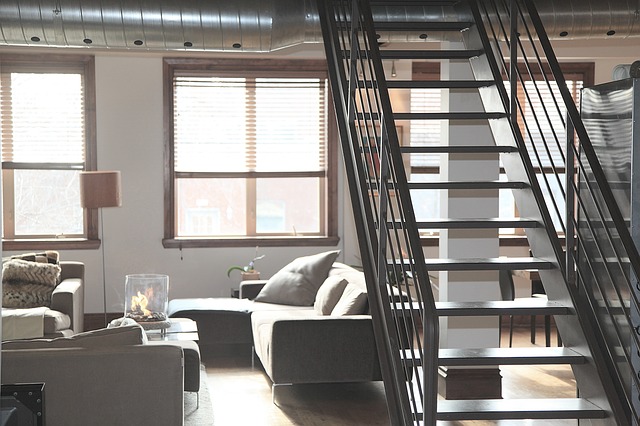
Industrial home design is known for its clean lines, practical materials, exposed details, and minimalist character. Inspired by factories, warehouses, workshops, and converted lofts, this style combines functionality with a modern aesthetic. The good news is that you do not need to live in a downtown loft to bring industrial design into your home.
Industrial furniture is often sturdy, simple, and relatively low-maintenance. It can also work well with modern, rustic, contemporary, and even traditional décor. You can introduce industrial elements through lighting, furniture, materials, colors, and carefully selected accessories.
If you want something more distinctive, custom made furniture can help you create industrial pieces that function as practical furniture while also becoming artistic focal points. From customized tables and seating to modified existing pieces, there are many ways to achieve the look.
Here are five ideas for incorporating industrial home design into your space.
1. Create More Open Space
Industrial décor is heavily influenced by factories and warehouses, where large open areas and practical layouts are common. If you want an authentic industrial look, avoid overcrowding your rooms with unnecessary furniture and decorative accessories.
Start by removing items that do not serve a useful purpose. Keep the furniture that you actually need and arrange it to create clear walking areas and plenty of visual space.
Simple furniture with clean, straight lines works particularly well. Large sofas, sturdy tables, open shelving, metal-frame chairs, and functional storage pieces can all contribute to an industrial atmosphere without making the room feel cluttered.
If you already own large furniture that makes a room difficult to navigate, furniture disassembly can make it easier to reposition or relocate those pieces. Large, heavy, or custom-built furniture may need to be carefully taken apart before being moved through narrow doors, stairways, or elevators.
Dr. Sofa provides professional furniture disassembly and reassembly services for large and custom furniture, helping homeowners safely reposition furniture during moves, redesigns, and other projects.
The goal is to create a room that feels open, practical, and uncluttered while allowing individual furniture pieces to complement the overall design.
2. Let Natural Light Take Center Stage
Lighting plays an important role in industrial interior design. Large windows and unobstructed natural light can make a space feel larger while highlighting architectural details and furniture.
If privacy allows, keep window treatments simple. Minimal curtains, roller shades, or uncovered windows can work well with the industrial aesthetic.
Artificial lighting is another opportunity to introduce industrial character. Consider exposed bulbs, metal pendant lights, track lighting, warehouse-inspired fixtures, or simple floor lamps with metal finishes.
The key is to avoid overly decorative lighting. Industrial design generally favors fixtures that look functional as well as attractive.
You can also balance hard materials such as metal and concrete with comfortable upholstered furniture. If your existing chairs or sofas look worn, professional upholstery cleaning can refresh the fabric without requiring you to replace the furniture.
Regular upholstery cleaning can also help maintain furniture that receives frequent use. Dr. Sofa offers professional upholstery cleaning as part of its furniture-care services.
3. Combine Metal and Wood
Metal and wood are two of the most recognizable materials associated with industrial interior design.
Metal can be incorporated through table legs, shelving, chair frames, railings, lighting fixtures, and decorative accents. Steel, iron, and other metal finishes can give a room the sturdy appearance associated with industrial spaces.
Wood helps balance the harder appearance of metal. Reclaimed, natural, distressed, or lightly finished wood can introduce warmth while maintaining the industrial aesthetic.
For example, consider pairing a wooden dining table with metal legs, a wooden coffee table with a steel frame, or open wooden shelves supported by metal brackets.
You can also transform existing furniture instead of purchasing new pieces. A dated table or chair may be modified with new materials, finishes, or upholstery.
Professional furniture reupholstery can be particularly useful when you want to update an upholstered chair, bench, sofa, or other furniture while keeping its existing structure. Dr. Sofa provides upholstery and reupholstery services designed to restore or transform furniture without automatically replacing the entire piece.
This approach gives you more flexibility when creating a customized industrial interior.
4. Repurpose Existing Furniture and Objects
Repurposing is one of the most creative ways to achieve an industrial look.
Industrial design naturally lends itself to using old work-related objects, reclaimed materials, and unexpected items in new ways. Wooden crates can become storage units, old metal components can become decorative pieces, and reclaimed wood can be transformed into tables or shelving.
Before throwing away an old piece of furniture, consider whether it can be repaired or redesigned.
For example, an old wooden table might only need structural furniture repair and a new finish. A damaged chair may be restored with new upholstery. An outdated sofa might receive new fabric through furniture reupholstery.
This approach can also preserve furniture that has sentimental or financial value. Dr. Sofa provides furniture repair services for items including sofas, dining furniture, beds, frames, and other furniture types.
Repurposing also gives your home a more individual appearance. Instead of purchasing identical pieces from a furniture store, you can create a room filled with objects that have their own history and character.
For fabric furniture or secondhand upholstered pieces, professional cleaning is also worth considering before bringing them into your living space.
5. Keep Your Color Palette Neutral
Color is another important part of industrial design.
Traditional industrial interiors often use neutral shades such as black, white, gray, cream, charcoal, beige, and muted earth tones. These colors help emphasize the materials and architectural elements of the room.
You do not have to eliminate color completely. Instead, use stronger colors selectively through artwork, cushions, rugs, plants, or decorative accessories.
For example, a neutral gray sofa can be paired with a dark metal coffee table and natural wood flooring. A black metal shelving unit can be softened with warm wood accessories and greenery.
The goal is to create contrast without making the room feel overly colorful or decorative.
If you cannot find the exact furniture piece that fits your color scheme, custom made furniture may be an option. Custom furniture can be designed around your preferred dimensions, materials, finishes, and overall aesthetic.
For homeowners searching for personalized furniture solutions, terms such as custom furniture NYC, custom made furniture NYC, and custom furniture makers NYC can help identify specialized providers. Dr. Sofa also offers custom-made furniture solutions as part of its broader furniture services.

How Furniture Disassembly Can Support an Industrial Redesign
Industrial-style rooms often involve large furniture, modular seating, custom shelving, and heavy tables. Moving these pieces can be difficult, particularly in apartments, older buildings, or homes with narrow entrances.
This is where professional furniture disassembly and reassembly can become useful.
Instead of forcing a large sofa, bed, armoire, or custom furniture piece through a doorway, the item can be carefully disassembled into manageable components and reassembled after it has been moved.
Professional disassembly can also be useful during major room redesigns. If you are changing the layout of your industrial-style interior, furniture may need to be temporarily taken apart and repositioned.
Dr. Sofa specializes in disassembly and reassembly for large, heavy, and custom-built furniture, including sofas, beds, armoires, dressers, and other pieces.
Repair or Replace? Consider the Furniture First
Industrial design does not mean that every piece of furniture needs to be new.
In fact, older and reclaimed furniture can add authenticity to an industrial interior. Before replacing a damaged piece, determine whether it can be repaired, restored, cleaned, or reupholstered.
A broken sofa frame, loose furniture leg, damaged upholstery, or sagging seating may be repairable. Professional sofa repair and furniture repair can help restore both appearance and functionality.
Similarly, furniture that has good bones but outdated fabric may benefit from reupholstery instead of replacement.
This can be a practical approach when you want a unique industrial interior while keeping costs under control.
Final Thoughts
Industrial home design is about more than exposed brick, metal fixtures, and neutral colors. It is about creating a space that feels functional, uncomplicated, durable, and visually interesting.
Start by opening up your space, maximizing natural light, combining metal with wood, repurposing existing furniture, and maintaining a neutral color palette.
You can also give existing furniture a new life through repair, cleaning, reupholstery, customization, and professional furniture disassembly and reassembly. DR. Sofa offers professional furniture services to help restore, redesign, and transform your existing pieces to complement your industrial-inspired space.
With the right combination of materials and thoughtful furniture choices, you can create an industrial-inspired home that feels modern, comfortable, and uniquely yours. Whether you need furniture repair, custom made furniture, upholstery services, or professional disassembly and reassembly, DR. Sofa can help bring your furniture vision to life.
Frequently Asked Questions
1. What is industrial home design?
Industrial home design is an interior style inspired by factories, warehouses, workshops, and converted lofts. It commonly features open spaces, exposed materials, metal, wood, neutral colors, simple furniture, and functional lighting.
2. What furniture works best with industrial interior design?
Furniture made from materials such as wood, metal, leather, and simple upholstery works particularly well. Tables with metal frames, reclaimed wood furniture, industrial shelving, leather sofas, and minimalist seating are popular choices.
3. Can existing furniture be used in an industrial-style home?
Yes. Existing furniture can often be repaired, refinished, reupholstered, cleaned, or modified to complement an industrial interior. Repurposing existing pieces can also add character and uniqueness to the space.
4. When is furniture disassembly necessary?
Furniture disassembly may be necessary when large or custom-built furniture cannot safely fit through doorways, staircases, elevators, or other tight spaces. It can also be useful during furniture relocation, remodeling, and room redesign projects.
5. Can upholstery be changed to create an industrial look?


Follow Us


