

5 Ideas for Decorating Your Basement With Furniture Disassembly
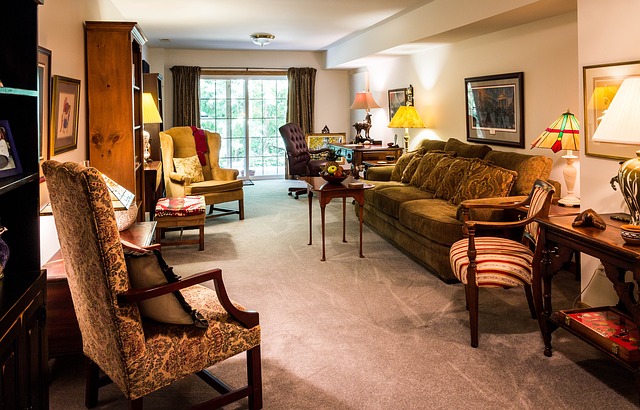
A basement can be much more than a place for storing boxes, old furniture, and unused household items. With the right decorating ideas, you can transform an overlooked basement into a comfortable entertainment area, family room, home office, guest suite, or private retreat. One of the biggest challenges, however, is getting large furniture into the space without damaging walls, floors, or the furniture itself.
That is where furniture disassembly can make a major difference. Large sofas, pool tables, armoires, entertainment centers, and other bulky pieces can often be carefully taken apart, moved through narrow spaces, and reassembled in their new location.
If you are planning a basement makeover, these five decorating ideas can help you create a space that feels practical, attractive, and comfortable.
1. Brighten the Basement Walls
Basements can sometimes feel dark and enclosed, particularly when they have small windows or no natural light at all. Your wall color can have a major impact on how spacious and welcoming the room feels.
If your basement has windows, make the most of them by keeping window treatments simple. Remove heavy drapes or dark blinds where possible and allow as much natural light into the room as you can.
For basements without much natural light, choose lighter shades for the walls. White, cream, pale yellow, soft beige, light gray, and gentle sage green can help reflect available light and create an open atmosphere.
Avoid making the entire basement too dark with deep paint colors or heavy wood paneling. While darker colors can look stylish in certain settings, they may make a basement with limited windows feel smaller.
Mirrors can also help. A large mirror placed opposite a light source can reflect light and create the impression of additional space. You can also use artwork with bright colors to add personality without overwhelming the room.
If you are creating separate areas within the basement, consider using different wall décor rather than building permanent walls. This gives you flexibility if you decide to change the room’s purpose later.
2. Create a Warm and Layered Lighting Plan
Lighting is particularly important in basement decorating. A single overhead fluorescent fixture can make an otherwise attractive basement feel cold and unfinished.
Instead, consider combining several types of lighting. Floor lamps, table lamps, wall lighting, track lighting, and recessed fixtures can all contribute to a warmer atmosphere.
Use lighting at different heights to make the room feel more balanced. For example, floor lamps can brighten darker corners while table lamps can provide comfortable lighting around seating areas.
Warm-toned bulbs can also make a significant difference. Rather than relying entirely on harsh white light, choose bulbs that create a softer and more inviting atmosphere.
If the basement will be used as an entertainment room, dimmable lighting is another useful option. You can keep the room bright when people are moving around and reduce the lighting when watching movies or relaxing.
For a basement guest suite or family room, combine functional lighting with decorative fixtures. This creates a finished appearance while ensuring that every area has enough light for its intended purpose.
3. Choose Furniture That Fits the Space
Furniture can completely change how your basement functions. Because basements often have larger open areas than other rooms, they can accommodate furniture that may not work elsewhere in the house.
A basement entertainment room might include a large sectional sofa, pool table, arcade game, entertainment center, or oversized storage cabinet. A family room could feature comfortable chairs, a sofa, coffee table, and media console.
However, getting large furniture into a basement can be challenging. Narrow stairways, doorways, hallways, and tight corners can make moving a fully assembled piece nearly impossible.
Professional furniture disassembly provides a practical solution for oversized pieces. A furniture specialist can carefully disassemble a suitable item into manageable sections, move the components through difficult access points, and reassemble the furniture once it reaches the basement.
This can be particularly useful when installing:
- Large sectional sofas
- Pool tables
- Entertainment centers
- Oversized cabinets
- Armoires
- Heavy tables
- Large shelving units
When selecting furniture for a basement, consider durability as well as appearance. If children or teenagers will regularly use the room, stain-resistant upholstery and sturdy frames can make maintenance easier.
If your existing furniture looks worn but the structure is still in good condition, reupholstery or furniture repair may also give it a new life instead of requiring a completely new purchase.
4. Select Basement-Friendly Flooring
Basements require practical flooring choices because they can experience humidity, temperature changes, and occasional moisture concerns. The flooring you choose should therefore complement the room’s appearance while being relatively easy to maintain.
Tile is one option that can work well in many basement environments. It is durable, easy to clean, and available in numerous colors and styles.
Laminate flooring can provide the appearance of wood while offering an easy-to-maintain surface. However, homeowners should always choose flooring appropriate for their specific basement conditions and follow the manufacturer’s installation recommendations.
Vinyl and other moisture-resistant flooring options can also be worth considering, depending on the basement and intended use.
Area rugs can add warmth and comfort without covering the entire floor. They can also help define different areas within a large open basement.
For example, you could place a large rug beneath the sofa and coffee table to establish a conversation area. Another rug could define a reading corner or children’s play area.
Before installing any flooring, address existing moisture or water problems. Decorating a basement without dealing with underlying moisture issues can lead to future damage and unnecessary repair costs.
5. Add Décor That Gives the Basement a Purpose
Once the walls, lighting, furniture, and flooring are ready, décor can give the basement its personality.
Start by deciding how you want to use the room. A basement can become a home theater, game room, guest suite, home gym, office, children’s playroom, or relaxing lounge.
Plants can make the space feel more lively, especially when natural greenery is limited elsewhere in the basement. If the room has very little sunlight, choose plants that can tolerate low-light conditions or use quality artificial plants for decorative purposes.
Artwork is another simple way to make blank walls more attractive. Large prints, framed photographs, mirrors, or decorative pieces can create visual interest.
If your basement has one particularly long and empty wall, consider creating a feature wall. A mural, large artwork collection, or photographic wall covering can turn an otherwise boring surface into a focal point.
Furniture placement can also help divide an open basement into functional zones. Instead of constructing permanent walls, position sofas, bookshelves, cabinets, or tables strategically to create separate areas.
For example, a sectional sofa can define the entertainment area while a desk and bookshelf can establish a small home office nearby. This approach keeps the basement flexible and makes it easier to change the layout later.

Make Large Furniture Easier to Move
Decorating your basement can be exciting, but transporting large furniture into the finished space is often one of the most difficult parts of the project.
A sofa that fits perfectly in your living room may not fit through a basement staircase. Similarly, a pool table, oversized cabinet, or large entertainment center may need to be separated into smaller components before it can be safely moved.
Professional furniture disassembly can help reduce these challenges. Experienced furniture specialists understand how different pieces are constructed and can determine which components can safely be removed before transportation.
After the furniture reaches the basement, furniture assembly services can help put everything back together correctly.
This approach can be especially valuable for expensive or complicated furniture where forcing a piece through a narrow doorway could result in scratches, structural damage, or damage to the home.
If your basement furniture has already suffered wear during years of use, consider combining the move with other services. For example, a worn sofa may benefit from sofa repair, while stained or tired upholstery may require professional upholstery cleaning.
For homeowners looking to refresh older pieces rather than replace them, furniture reupholstery can also provide an attractive way to update the appearance of a sofa or chair.
Build a Basement You Will Actually Use
A successful basement makeover is not simply about adding furniture and decorations. It is about creating a room that fits your lifestyle.
Start by determining how you want to use the space. If entertainment is the priority, focus on comfortable seating, good lighting, and durable flooring. If you need a guest suite, concentrate on privacy, storage, comfortable furniture, and appropriate lighting.
If you want a family room, choose durable materials that can handle frequent use. And if the basement will serve multiple purposes, use furniture placement and décor to establish separate functional zones.
Large furniture should also be considered before finalizing your design. Planning the route into the basement before purchasing oversized pieces can prevent frustrating problems later. If an existing piece is too large to move as one unit, furniture disassembly may make the installation much easier.
For professional furniture solutions, from disassembly and assembly to repair and upholstery services, visit DR Sofa to explore available furniture services and solutions.
Final Thoughts
Your basement does not have to remain a dark storage area. With thoughtful decorating choices, it can become one of the most useful and enjoyable spaces in your home.
Start with light-colored walls and layered lighting to make the room feel brighter. Choose practical flooring that suits basement conditions, then add furniture that matches the room’s purpose. Finally, use artwork, plants, rugs, and smart furniture arrangements to make the space feel finished.
And when large furniture presents a moving challenge, professional furniture disassembly can help you get bulky pieces into the basement safely and efficiently. With the right planning, your basement can become a comfortable, functional extension of your home.
Frequently Asked Questions
1. What is furniture disassembly?
Furniture disassembly involves carefully taking apart a piece of furniture into manageable components so it can be moved through tight doorways, stairways, hallways, or other difficult access points. The furniture can then be reassembled at its destination.
2. Which basement furniture may require disassembly?
Large sofas, pool tables, entertainment centers, oversized cabinets, armoires, tables, and certain sectional furniture may require disassembly when doorways or stairways are too narrow for the fully assembled piece.
3. Is furniture disassembly better than forcing large furniture through a doorway?
Yes, when a piece is designed to be disassembled, carefully separating it can reduce the risk of damaging the furniture or walls. Attempting to force an oversized item through a tight opening can result in scratches, broken components, or structural damage.
4. What flooring is best for a basement?
Tile, vinyl, laminate, and other practical flooring materials can be suitable depending on the basement’s moisture conditions and intended use. Always address existing moisture problems and follow the flooring manufacturer’s installation recommendations.
5. How can I make a basement without windows feel brighter?
Use light wall colors, mirrors, layered lighting, bright artwork, and appropriately positioned lamps. Combining several light sources generally creates a more inviting atmosphere than relying on a single overhead fixture.
6. Can old basement furniture be restored instead of replaced?
In many cases, yes. Depending on its condition, furniture may benefit from repair, upholstery cleaning, or reupholstery. Restoring an existing piece can give it a refreshed appearance while allowing you to keep furniture that already fits your space.


Follow Us


