

3 Accent Colors for Your Home Interior: Furniture Repair NYC Tips
Creating a beautiful home does not always require a complete renovation or expensive designer. Sometimes, a few carefully selected colors can completely transform the atmosphere of a room. Accent colors are one of the simplest ways to add personality, warmth, and visual interest without replacing all your furniture.
If you are updating your home, start by looking at the colors already present in your walls, flooring, sofas, chairs, curtains, and décor. From there, you can introduce a complementary accent color through cushions, artwork, rugs, lamps, and other accessories.
For homeowners searching for furniture repair NYC, updating your existing furniture alongside a new color scheme can be an especially practical approach. Rather than replacing a quality sofa or chair, professional restoration can help preserve the piece while allowing you to refresh the rest of the room.
At DR Sofa, furniture care and restoration can help homeowners maintain their existing pieces while creating a comfortable and attractive living environment.
Why Accent Colors Matter in Home Décor
Accent colors create focal points within a room. Instead of using a bold shade across every wall or piece of furniture, you can introduce it through smaller elements that attract attention without overwhelming the space.
For example, a neutral living room featuring a beige sofa and cream walls may look elegant but somewhat plain. Adding a few deep-blue cushions, a colorful rug, or a piece of artwork can immediately give the space more character.
The key is balance. Your accent color should complement your primary color palette rather than compete with it.
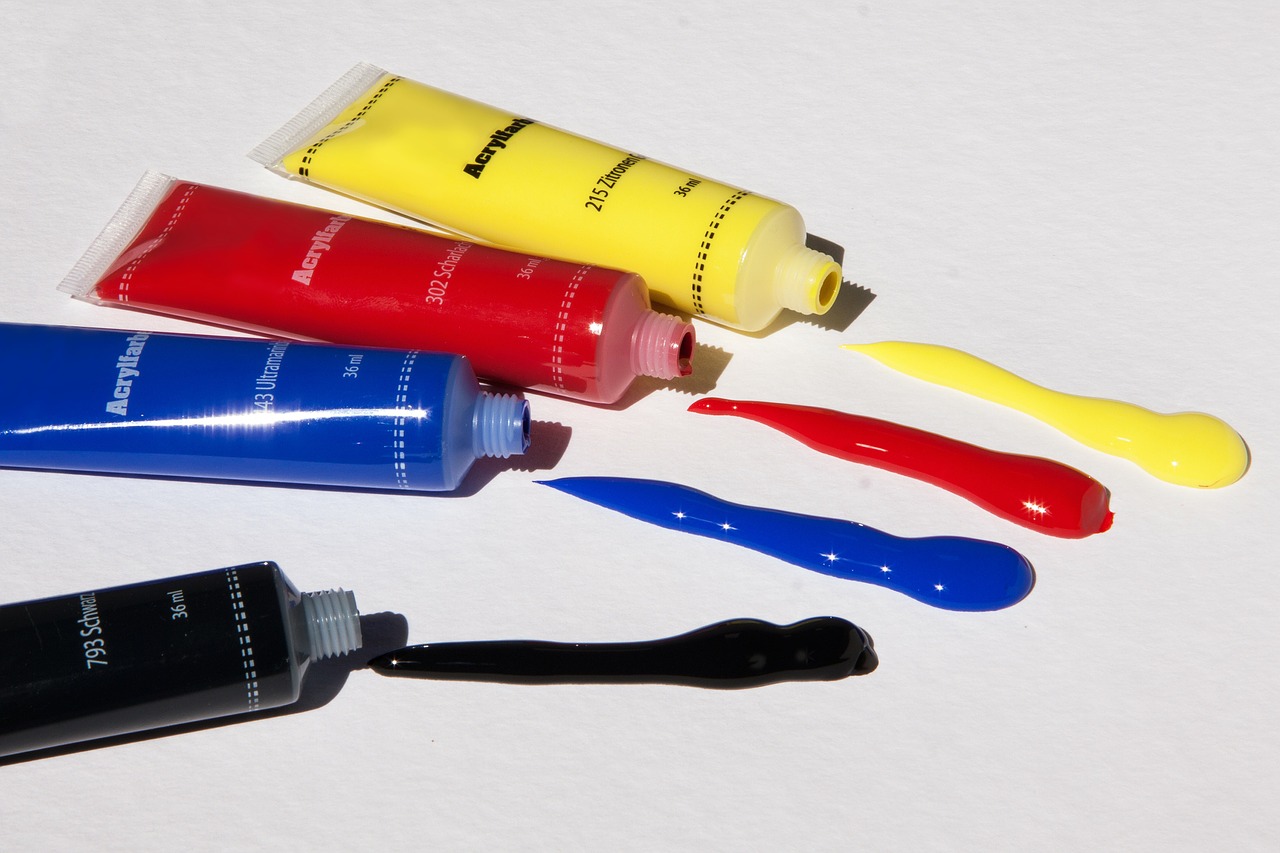
Three timeless choices are red, blue, and yellow. As primary colors, they provide a strong foundation for countless interior combinations.
Red as an Accent Color
Red is energetic, dramatic, and naturally attention-grabbing. Because it has such a strong visual impact, it works particularly well when used as an accent rather than the dominant color in a room.
A few red accessories can make a neutral interior feel warmer and more dynamic.
Ways to Use Red in Your Interior
Consider introducing red through:
- Throw pillows
- Blankets
- Area rugs
- Artwork
- Decorative vases
- Curtains
- Accent chairs
- Table accessories
A modern room decorated in white, gray, or black can benefit from bright red cushions or artwork. The contrast creates a bold and contemporary appearance.
For traditional or rustic interiors, consider softer shades such as burgundy, brick red, terracotta, or muted crimson. These colors can provide warmth without appearing too intense.
You can also use red to highlight a particular feature. For example, red decorative objects placed near a fireplace, bookshelf, or artwork can naturally draw attention toward that area.
If your sofa or upholstered chair has seen better days, repairing it before introducing new décor can make a significant difference. Instead of purchasing an entirely new piece, professional furniture restoration can help you preserve furniture that still has plenty of life left.

Blue as an Accent Color
Blue is one of the most versatile colors in interior design. Depending on the shade, it can create a peaceful, sophisticated, refreshing, or dramatic atmosphere.
Soft powder blue can make a bedroom feel relaxing, while navy blue can give a living room a more elegant appearance. Bright electric blue can create a striking contrast against white or neutral surroundings.
How to Use Blue Effectively
Blue works beautifully with:
- White
- Cream
- Beige
- Gray
- Brown
- Sage green
- Pale yellow
For a clean and coastal-inspired look, combine white walls with blue cushions, curtains, artwork, or decorative accessories.
Navy blue is particularly effective with warm wood finishes and neutral furniture. A navy rug paired with a beige sofa can create a sophisticated focal point without making the room feel too dark.
If you have a neutral sofa, adding blue cushions and a matching throw can provide an inexpensive way to refresh the space.
Blue can also work particularly well with leather furniture. Dark navy accessories can complement brown leather sofas, while lighter blue shades can soften the appearance of darker furniture.
Yellow as an Accent Color
Yellow brings warmth, optimism, and brightness into a room. It can make an interior feel cheerful and inviting, particularly when used alongside neutral shades.
Yellow is naturally associated with sunlight, making it a useful accent in rooms that already receive plenty of natural light. It can also create the visual impression of brightness in darker spaces.
Ways to Introduce Yellow
You do not need large amounts of yellow to make an impact. Try using:
- Yellow cushions
- Decorative flowers
- Lamps
- Vases
- Artwork
- Small chairs
- Coffee-table accessories
- Decorative plates
Bright yellow can be powerful, so use it selectively if you want a sophisticated look.
For a softer appearance, choose pale yellow, mustard, ochre, or warm gold. These shades can work beautifully with brown, beige, green, blue, and cream.
For example, a mustard-yellow cushion placed on a neutral sofa can add warmth without dominating the room.
How to Choose the Right Accent Color
Before selecting an accent color, look at your existing interior. Your walls, furniture, flooring, lighting, and decorative elements should all be considered.
If your room already contains several strong colors, choose a softer accent shade. If your space is mostly neutral, you have more freedom to experiment with bold colors.
Think about the mood you want to create:
Red: Choose red when you want energy, warmth, and drama.
Blue: Choose blue for calmness, elegance, and versatility.
Yellow: Choose yellow when you want brightness, warmth, and a cheerful atmosphere.
You can also use multiple shades of your chosen color. For example, combining navy, medium blue, and pale blue can create depth while maintaining a consistent color theme.
Match Accent Colors With Your Furniture
Furniture should be an important part of your color strategy. A beautiful accent color can lose its impact if it clashes with your sofa, chairs, tables, or other major pieces.
Neutral furniture is particularly easy to decorate around. Beige, gray, cream, and brown sofas can work with all three primary accent colors.
A brown leather sofa can look excellent with mustard-yellow or navy accessories. Gray furniture can provide a neutral foundation for vibrant red. Cream upholstery can be complemented by soft blue or warm yellow.
Before changing your décor, inspect your existing furniture. Look for stains, tears, loose joints, scratches, sagging cushions, or other signs of wear.
If your upholstered furniture needs professional cleaning, Upholstery Cleaning NYC can be a valuable part of your home refresh. Clean upholstery can make colors look brighter and help your furniture feel more inviting.
Furniture Repair Can Support a Home Makeover
Redecorating does not always mean replacing your furniture. In many cases, an older sofa or chair can be repaired or restored so it continues to work with your updated interior.
Professional furniture repair NYC services can address problems such as:
- Damaged upholstery
- Broken frames
- Loose joints
- Sagging cushions
- Worn fabric
- Scratches
- Structural damage
- General furniture deterioration
Repairing existing furniture can be particularly worthwhile when the piece has sentimental value, quality construction, or a design that is difficult to replace.
Once the furniture has been repaired, adding your chosen accent colors through cushions, throws, rugs, and artwork can give the entire room a fresh appearance.
Create a Balanced Color Scheme
One of the most important rules when decorating with accent colors is avoiding excess. A bold color can lose its impact when it is used everywhere.
Instead, repeat your accent color in several carefully selected areas.
For example, if you choose blue as your primary accent, you might use:
- Blue cushions on the sofa
- A blue vase on a side table
- Blue artwork on the wall
- A small amount of blue in your area rug
This creates consistency without making the room feel overly themed.
Another useful approach is the 60-30-10 rule. Approximately 60% of the room can be your dominant color, 30% a secondary color, and 10% your accent color.
You do not have to follow this rule precisely, but it can provide a helpful starting point when you are unsure how much color to introduce.
Refresh Your Space Without Replacing Everything
A home makeover does not have to be expensive. Small updates can make a surprisingly noticeable difference.
Start by changing your cushions, adding a new throw, introducing artwork, rearranging furniture, or adding a colorful rug.
If your sofa is structurally sound but looks worn, consider professional repair or cleaning instead of immediately replacing it. Maintaining existing furniture can help you save money while preserving pieces you already enjoy.
For homeowners in New York, DR. Sofa provides furniture-related services designed to help maintain and refresh existing pieces.
A combination of professional furniture care and carefully selected décor can give an older room an entirely different feel.
Consider Lighting When Choosing Accent Colors
Lighting can significantly change how an accent color appears.
Natural daylight can make colors appear brighter and fresher, while warm artificial lighting can make certain shades appear deeper or more muted.
Before committing to a particular color, look at samples at different times of day. A shade that looks perfect in bright daylight may appear completely different in the evening.
Yellow, for example, can become especially warm under soft lighting. Blue may appear darker in rooms with limited natural light, while red can become more dramatic under warm bulbs.
Understanding your room’s lighting can help you choose an accent shade that looks attractive throughout the day.
Make Your Furniture the Focal Point
Your furniture does not always need to blend into the background. A well-maintained sofa, chair, or antique piece can become the centerpiece of a room.
If you have a distinctive piece of furniture, use accent colors to highlight it rather than distract from it.
For example, a classic brown leather sofa can become the focal point when surrounded by cream walls, navy cushions, and warm lighting.
Likewise, a restored upholstered chair can become an attractive feature when paired with complementary artwork and decorative accessories.
Furniture repair and upholstery care can therefore play an important role in the overall appearance of your interior.
Final Thoughts
Red, blue, and yellow are three timeless accent colors that can transform your home without requiring a complete redesign. Red adds energy and warmth, blue introduces calmness and sophistication, while yellow creates brightness and cheerfulness.
The secret is to use accent colors strategically. Consider your existing furniture, walls, flooring, lighting, and décor before selecting a shade.
If your furniture is worn or damaged, repairing and cleaning it can be an excellent first step. Instead of replacing a quality piece, professional furniture services can help restore its appearance and functionality.
Whether you are planning a small refresh or a complete interior makeover, thoughtful color choices combined with proper furniture care can create a home that feels comfortable, stylish, and welcoming.
Frequently Asked Questions
1. What are the best accent colors for a home interior?
Red, blue, and yellow are classic accent colors that work with many interior styles. The best choice depends on your existing color scheme and the atmosphere you want to create.
2. Is red a good accent color for a living room?
Yes. Red can add warmth and energy to a living room. Use it through smaller elements such as cushions, artwork, rugs, or decorative accessories to avoid overwhelming the space.
3. What colors work well with a brown sofa?
Brown sofas pair well with navy blue, mustard yellow, cream, beige, and muted red. The best combination depends on the shade of brown and the overall style of your room.
4. Can blue make a room feel more relaxing?
Yes. Softer shades of blue are commonly used to create a calm and peaceful atmosphere, making them particularly suitable for bedrooms and relaxing living spaces.
5. How can yellow brighten a dark room?
Yellow accessories can introduce a cheerful, bright visual effect. Pale yellow, warm gold, and mustard can be especially effective when combined with appropriate lighting and neutral colors.
6. Should I replace old furniture when redecorating?
Not always. If your furniture is still structurally sound, repairing or restoring it can be a practical alternative to replacement. This can also preserve valuable or sentimental pieces.


Follow Us


