

Sofa Care: Daily Tips, Moving Safety & Furniture Repair NYC
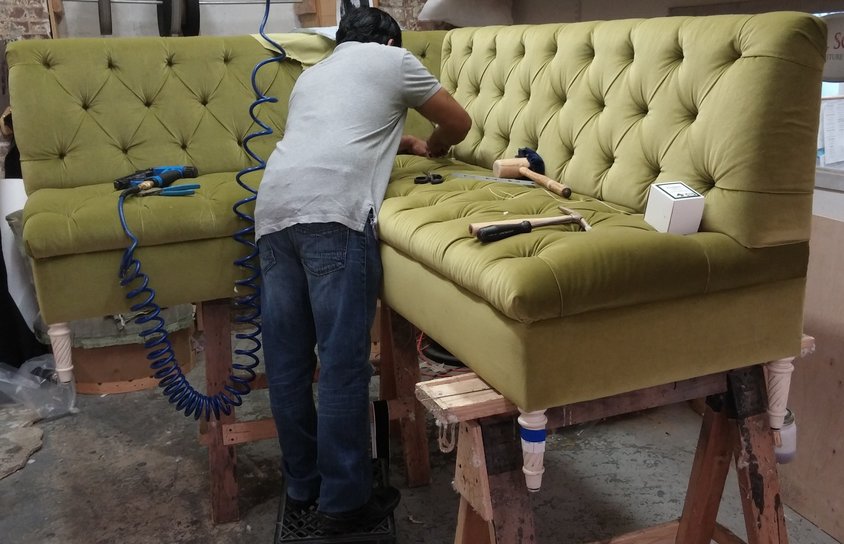
A sofa is more than just a piece of furniture. It is often the centerpiece of a living room, a place to relax after a long day, and a significant investment in your home’s comfort and style. Depending on the quality, size, and materials, a new sofa can cost anywhere from a few hundred to several thousand dollars.
That makes proper sofa care essential. Regular maintenance can help prevent stains, scratches, fading, and structural damage, while careful handling during a move can protect your sofa from unnecessary wear.
If your sofa already has damage, professional furniture repair NYC services can often restore it and extend its useful life. From upholstery problems to broken frames and damaged furniture components, repairing an existing sofa can be a practical alternative to replacing it.
Whether you are maintaining your sofa every day, preparing it for a move, or dealing with minor damage, these tips can help keep your furniture looking and functioning its best.
Protect Your Sofa During a Move
Moving a sofa requires more planning than simply carrying it through the front door. Sofas are large, heavy, and often difficult to maneuver through narrow hallways, staircases, elevators, and doorways.
Before moving your sofa, measure its:
- Width
- Height
- Length
- Depth
- Armrest height
- Overall frame dimensions
Then measure the doors, hallways, stairways, elevators, and other access points along the moving route.
This simple step can prevent a common problem: discovering that the sofa cannot fit through a doorway after it has already been moved halfway across the property.
Wrap the Sofa Properly
Protect your sofa with moving blankets, furniture pads, or appropriate packing foam. Cover exposed corners and edges carefully because these areas are particularly vulnerable to scratches and impacts.
Avoid using plastic shrink wrap directly against upholstered furniture for extended periods. Depending on the material and conditions, trapped moisture and heat can contribute to problems with certain upholstery and finishes.
If possible, remove cushions and pack them separately. This makes the sofa lighter and reduces the chance of cushions becoming dirty or damaged during transportation.

Consider Professional Furniture Disassembly
Some sofas and larger furniture pieces are difficult to move as a single unit. In these situations, furniture disassembly can make transportation safer and easier.
Professional furniture specialists can carefully disassemble suitable pieces, move them through difficult access points, and reassemble them at the destination.
This can be particularly helpful for large sofas that need to pass through narrow staircases, tight hallways, or small elevators.
Instead of forcing a sofa through a doorway and potentially damaging the frame or upholstery, professional disassembly and reassembly can provide a safer solution.
Prevent Everyday Sofa Damage
Daily use naturally exposes your sofa to dust, dirt, spills, pets, children, and general wear. Fortunately, several simple habits can help reduce everyday damage.
Keep Pets’ Nails Trimmed
Pets can be particularly hard on upholstered furniture. Sharp claws can scratch leather, pull threads, or tear fabric.
If pets regularly use your sofa, keep their nails trimmed and provide scratching posts, toys, and comfortable alternatives.
You can also use washable furniture covers or throws in areas where pets frequently sit.
Keep Food and Drinks Under Control
Many sofa stains happen because of accidental spills. Eating and drinking on the sofa may be convenient, but it increases the possibility of stains and moisture damage.
If a spill occurs, deal with it as soon as possible. Blot the affected area gently rather than aggressively rubbing it, as rubbing can spread the stain or push it deeper into the upholstery.
Always check the manufacturer’s care instructions before applying a cleaning product.
Keep Your Sofa Away From Direct Sunlight
Sunlight can gradually fade upholstery and damage certain materials. Leather, fabric, and other finishes may change color when exposed to strong sunlight for extended periods.
If your sofa sits near a large window, consider using curtains, blinds, or UV-filtering window treatments to reduce direct exposure.
You can also periodically rearrange furniture when practical so the same section of the sofa is not continuously exposed to sunlight.
Clean Your Sofa Regularly
Regular cleaning is one of the easiest ways to maintain your sofa’s appearance. Dust, dirt, body oils, pet hair, and other debris can accumulate over time and make upholstery look dull.
Vacuum upholstered surfaces regularly using an appropriate upholstery attachment. Pay particular attention to:
- Seat cushions
- Back cushions
- Armrests
- Seams
- Crevices
- Areas underneath removable cushions
For deeper cleaning, professional upholstery cleaning NYC services can help remove accumulated dirt and stains while caring for the specific upholstery material.
Professional cleaning can be especially useful for sofas that receive heavy daily use or have not been cleaned for an extended period.
Be Careful With DIY Sofa Cleaning
Although some minor cleaning tasks can be handled at home, not every cleaning method is appropriate for every sofa.
Different materials require different care. Fabric, leather, suede, velvet, and synthetic upholstery may react differently to water and cleaning products.
Before applying any solution, check the manufacturer’s cleaning code and test the product on a small, hidden area.
Avoid saturating upholstery with excessive water. Moisture that penetrates deep into cushions or padding may take a long time to dry and can potentially create additional problems.
When in doubt, professional upholstery cleaning is often a safer option for valuable or delicate furniture.
Minor Sofa Repairs You May Be Able to Handle
Not every furniture problem requires professional intervention. Some minor cosmetic issues may be manageable with basic care and the right materials.
For example, a small scratch on a wooden sofa leg may sometimes be disguised using a suitable furniture touch-up product. Some people also use matching crayons or furniture markers for minor surface imperfections.
However, always test any product on an inconspicuous area first.
Minor Leather Scratches
Small scratches on leather furniture may sometimes be improved with an appropriate leather conditioner or care product.
However, leather finishes vary significantly. A product that works well on one type of leather may damage another.
For this reason, always identify the leather type and follow the manufacturer’s recommendations before applying anything.
If the damage involves deep cuts, significant discoloration, peeling, or structural problems, professional assistance is usually the better option.
When You Need Professional Furniture Repair NYC
DIY solutions are not appropriate for every type of sofa damage. Professional furniture repair NYC services may be the better choice when the problem affects the sofa’s structure, comfort, or appearance.
Common examples include:
- Broken sofa frames
- Loose joints
- Sagging cushions
- Damaged springs
- Torn upholstery
- Broken legs
- Severe scratches
- Damaged leather
- Structural instability
- Worn-out padding
Professional repair can sometimes save a quality sofa that would otherwise be replaced.
This is particularly worthwhile when the sofa has a strong frame, high-quality materials, sentimental value, or a design that is difficult to find again.
When Sofa Reupholstery Makes Sense
Sometimes the underlying structure of a sofa is still strong while the upholstery has become worn or outdated.
In this situation, reupholstery may provide an effective way to refresh the furniture.
Sofa reupholstery NYC services can potentially transform an older sofa by replacing worn fabric, damaged padding, or outdated upholstery while preserving the existing furniture structure.
Reupholstery can be worth considering when:
- The frame is still in good condition
- The sofa is comfortable
- The design has sentimental value
- The upholstery is badly worn
- You want to change the furniture’s appearance
- A replacement sofa would be significantly more expensive
Instead of throwing away a quality piece, restoring it can give it a completely new appearance.
Maintain Your Sofa Before Problems Become Serious
Preventative care is usually easier and less expensive than dealing with extensive damage later.
A simple maintenance routine can include:
Weekly: Vacuum the sofa and remove visible dust, crumbs, and pet hair.
Monthly: Inspect seams, cushions, legs, and other components for early signs of damage.
Periodically: Schedule professional upholstery cleaning when necessary.
Before moving: Measure the sofa and access points, remove cushions, and protect the furniture with moving blankets.
When damage appears: Address small problems quickly before they become larger structural or upholstery issues.
Regular attention can help extend the life of your sofa and maintain its appearance.
Choose Professional Furniture Care When Needed
Your sofa is an important part of your home, so taking care of it is a worthwhile investment. Simple habits such as regular vacuuming, protecting upholstery from sunlight, controlling pet-related damage, and responding quickly to spills can prevent many common problems.
When moving large furniture, careful measurements, protective wrapping, and professional furniture disassembly can reduce the risk of damage.
For more serious problems, professional furniture repair can restore damaged components and help you avoid unnecessary replacement costs. DR. Sofa provides furniture-related services designed to help homeowners maintain, repair, clean, and restore their valuable pieces.
Whether your sofa needs cleaning, repair, disassembly, or reupholstery, professional care can help extend its lifespan and keep your living space comfortable and attractive.
Frequently Asked Questions
1. How can I protect my sofa during a move?
Use moving blankets or furniture pads to protect the sofa’s upholstery and corners. Measure doorways, hallways, staircases, and elevators before moving it, and remove cushions when possible.
2. Can a sofa be disassembled for moving?
Yes, some sofas can be partially or completely disassembled depending on their construction. Professional furniture disassembly can make it easier to move large pieces through narrow spaces.
3. How often should I clean my sofa?
Vacuuming can be performed regularly, depending on how heavily the sofa is used. Deeper professional upholstery cleaning can be scheduled periodically based on the material and level of use.
4. Can sunlight damage sofa upholstery?
Yes. Prolonged exposure to direct sunlight can fade certain fabrics and affect some furniture materials. Curtains, blinds, and strategic furniture placement can help reduce exposure.
5. Can I repair a small sofa scratch myself?
Minor cosmetic scratches may sometimes be treated with suitable furniture-care or leather-care products. Always test products on a hidden area first and follow the manufacturer’s instructions.
6. When should I hire a furniture repair professional?
Professional repair is recommended for structural problems such as broken frames, damaged springs, loose joints, severe upholstery damage, or other issues that affect the sofa’s safety or functionality.


Follow Us


