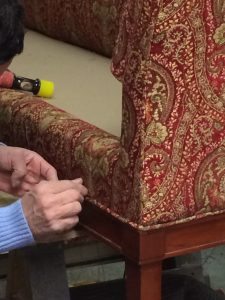


Luxury Furniture Upholstery: Reupholstery & Custom Design
I. Introduction
In the realm of interior design, Luxury furniture upholstery plays a pivotal role in interior design, shaping spaces that are both visually refined and functionally durable. This article delves into the evolution of luxury upholstery, exploring the significance of reupholstery and custom modifications that allow furniture to maintain relevance in an ever-changing design landscape.
Luxury furniture upholstery not only enhances the visual appeal of a space but also contributes to the overall comfort and durability of furnishings. As tastes shift and lifestyles evolve, the need for reupholstery and bespoke modifications becomes increasingly relevant, providing an opportunity for personalization and sustainability in high-end interiors.
II. Historical Context
A. Origins of Upholstery in Furniture Design
The practice of upholstery dates back to antiquity, initially involving rudimentary materials such as animal hides and natural fibers. Ancient civilizations, including the Egyptians and Romans, utilized these materials to create seating that was not only functional but also a status symbol. As furniture design evolved through the Middle Ages, upholstery began to incorporate more sophisticated elements, including padding and fabric covers, leading to the intricate designs we recognize today.
During the Renaissance period, the artistry of upholstery reached new heights as artisans began to incorporate decorative elements such as embroidery and carved wood frames. This period marked a significant shift towards luxury, where upholstery became an expression of wealth and personal style, paving the way for modern upholstery techniques.
B. Key Historical Trends and Influences
Throughout the centuries, upholstery has reflected prevailing cultural and artistic movements. The Baroque and Rococo styles emphasized ornate designs, while the Industrial Revolution introduced mass production techniques, making upholstered furniture more accessible to the middle class. The emergence of Art Deco in the 1920s heralded a return to luxury, characterized by bold geometric patterns and luxurious materials.
The mid-20th century saw a shift towards minimalism, with designers prioritizing clean lines and functional designs. However, the late 20th century brought back a penchant for eclecticism and personalization, leading to a resurgence in reupholstery as a means for individuals to express their unique tastes.
C. Transition from Traditional to Modern Styles
As we progressed into the 21st century, the transition from traditional to modern upholstery styles became pronounced. Contemporary designs often favor simplicity and sustainability, utilizing innovative materials such as recycled fabrics and eco-friendly foams. Modern upholstery emphasizes not just aesthetics but also practicality, catering to changing lifestyles and the growing emphasis on sustainability.
This evolution continues to influence how designers approach luxury upholstery today, with a focus on creating timeless pieces that seamlessly blend functionality with artistic expression.
III. The Role of Reupholstery in Luxury Furniture Upholstery
A. Benefits of Reupholstering Furniture
Reupholstering furniture serves multiple purposes, the most compelling being the restoration of beloved pieces that may have sentimental value. By reupholstering, owners can breathe new life into outdated furniture, allowing them to adapt to changing aesthetics and functional needs without incurring the cost of purchasing new items.
Additionally, reupholstery can be an environmentally friendly choice, reducing waste by extending the life of existing furniture. This practice aligns with the growing consumer preference for sustainable products, making it an attractive option for both homeowners and business owners looking to minimize their ecological footprint.
B. Sustainable Practices in Luxury Upholstery
In the context of luxury upholstery, sustainability has become a focal point. Many designers are now sourcing materials from sustainable suppliers and employing eco-friendly manufacturing processes. This shift signifies a broader understanding of the environmental impact of furniture production and a commitment to addressing these issues within the luxury sector.
Moreover, the use of natural fabrics, such as organic cotton and linen, alongside recycled materials, has gained traction. These practices not only contribute to sustainability but also offer unique aesthetic qualities that appeal to the discerning consumer.
C. Case Studies of Successful Reupholstery Projects
Several notable case studies illustrate the transformative power of reupholstery in luxury furniture. For instance, a classic mid-century modern chair can be revitalized with vibrant, contemporary fabrics, making it more suitable for modern interiors while retaining its original charm. High-end designers often take on such projects to showcase their skills and creativity, demonstrating how reupholstered pieces can fit seamlessly into contemporary spaces.
Another example includes the restoration of antique furniture, where expert artisans meticulously strip down layers, repair structural damage, and reupholster with historically accurate materials. Such projects not only preserve history but also create pieces that are functional and visually appealing, appealing to collectors and affluent homeowners alike.
IV. Custom Modifications in Luxury Upholstery
A. Personalization and Design Choices
Custom modifications offer consumers an opportunity to personalize their furniture in ways that align with their individual tastes and lifestyles. From selecting the type of fabric to choosing specific embellishments like piping, buttons, or nailhead trims, the customization process can elevate a piece from ordinary to extraordinary.
Designers often collaborate closely with clients to understand their vision, ensuring that the final product reflects both functional requirements and aesthetic desires. This bespoke approach not only enhances customer satisfaction but also fosters a deeper connection between the owner and their furniture.
B. Innovative Techniques and Materials
The advancement of technology in upholstery has led to innovative techniques and materials that redefine luxury furniture. Techniques such as digital printing allow for the creation of bespoke patterns and designs that are specific to a client’s desires. Similarly, the development of performance fabrics that are stain-resistant and durable expands the possibilities for upholstery in high-use environments.
Moreover, the integration of ergonomics into furniture design has prompted the use of specialized cushioning and support systems that enhance comfort while maintaining aesthetic appeal. This fusion of functionality and artistry represents a significant shift in how luxury upholstery is approached.
C. Influence of Technology on Upholstery Design
Technology’s impact on upholstery is evident in various facets of the industry. Digital tools for design and visualization allow clients to preview modifications before committing, enhancing decision-making and satisfaction. Moreover, advancements in manufacturing processes enable faster production times while maintaining high-quality standards.
Furthermore, technology has introduced smart upholstery solutions, incorporating features such as embedded lighting, wireless charging capabilities, and integrated speakers. This convergence of technology and design is setting the stage for the future of luxury upholstery, where functionality and aesthetics coexist in harmony.
V. Current Trends in Luxury Furniture Upholstery
A. Popular Fabrics and Textures
Today, a diverse range of fabrics and textures dominate the luxury upholstery landscape. Natural fibers such as silk, wool, and linen are favored for their tactile qualities and luxurious appearance. Additionally, synthetic materials engineered for durability and performance are becoming increasingly popular, offering a practical solution without compromising on style.
Textures play a vital role in creating depth and interest in upholstery. From plush velvet to sleek leather, the choice of fabric can dramatically influence the ambiance of a space. Designers frequently experiment with layering various textures to create visually compelling interiors that invite touch and enhance comfort.
B. Color Palettes and Patterns
Color trends in luxury upholstery are continuously evolving, with a current emphasis on earthy tones, muted pastels, and bold jewel tones. These palettes reflect a desire for connection to nature and a yearning for calm in chaotic times. Patterns are also making a comeback, with geometric designs and botanical prints providing fresh alternatives to solid colors.
Mixing patterns is becoming an accepted practice, allowing for more dynamic and personalized spaces. Designers often integrate complementary patterns and colors to build cohesive designs that resonate aesthetically while catering to individual preferences.
C. Integration of Smart Technology
The integration of smart technology into upholstery design reflects the demands of modern living. Features such as built-in charging ports, temperature control fabrics, and even integrated sound systems are increasingly found in luxury furnishings. This technological advancement not only enhances convenience but also transforms furniture into multifunctional pieces that cater to contemporary lifestyles.
As consumers prioritize smart home features, the demand for upholstery that seamlessly integrates technology is expected to grow. This trend underscores the importance of adaptability in furniture design, ensuring that luxury upholstery continues to meet the evolving needs of users.
VI. The Future of Luxury Furniture Upholstery
A. Predictions for Design Innovations
Looking ahead, the future of luxury furniture upholstery is likely to be shaped by several innovative trends. In luxury furniture upholstery projects, material selection is critical. An increased focus on sustainability will drive designers to explore new materials and production methods that minimize environmental impact. Innovations in comfort technology, such as customizable firmness and support, may also become more prevalent, catering to the desire for personalized experiences.
Furthermore, as lifestyles continue to change, the demand for adaptable and multifunctional furniture will likely rise. This shift may inspire designers to create pieces that can easily transition between different uses or environments, addressing the need for flexibility in modern living spaces.
B. The Impact of Sustainability on Future Trends
Sustainability will remain a crucial consideration in the future of luxury upholstery. As more consumers become environmentally conscious, the industry will need to respond with transparent practices, sustainable sourcing, and eco-friendly materials. Designers who embrace these principles are likely to gain a competitive edge in the marketplace.
Furthermore, the emphasis on reupholstery and restoration as sustainable practices will likely continue to be highlighted, encouraging consumers to invest in quality pieces that last rather than disposable furniture. This shift towards sustainability not only benefits the environment but also enhances the perceived value of luxury upholstery.
C. Challenges and Opportunities for Designers
Despite the promising future of luxury upholstery, designers face several challenges. The need to continually adapt to rapid changes in consumer preferences, technological advancements, and sustainability practices can be daunting. However, Designers specializing in luxury furniture upholstery often focus on longevity; these challenges also present opportunities for innovation and creativity.
Designers who can effectively harness technology, prioritize sustainability, and offer personalized solutions are well-positioned to thrive in the evolving landscape of luxury upholstery. The key lies in balancing aesthetics with functionality, ensuring that the pieces created not only appeal to the senses but also meet the practical needs of modern consumers.
VII. Conclusion
A. Recap of Key Points
The evolution of luxury furniture upholstery reflects broader trends in society, from historical influences to contemporary demands for sustainability, personalization, and technology integration. Reupholstery serves as a vital practice that promotes sustainability while enabling consumers to preserve their cherished pieces, and custom modifications provide avenues for creative expression.
B. Final Thoughts on the Evolution of Luxury Upholstery
As we look to the future, luxury upholstery will continue to evolve, embracing new materials, technologies, and design philosophies. The relationship between design, functionality, and sustainability will be pivotal in shaping the next generation of luxury interiors.
C. Call to Action for Designers and Business Owners
As designers and business owners navigate this dynamic landscape, embracing innovation, sustainable practices, and the art of personalization will be key to staying relevant. By prioritizing these principles, they can contribute to the ongoing evolution of luxury furniture upholstery while meeting the diverse needs of consumers.
FAQs
What is luxury furniture upholstery?
Luxury furniture upholstery refers to the high-quality materials and craftsmanship used to cover furniture pieces, elevating their aesthetics and comfort.
Why is reupholstery important?
Reupholstery is important because it extends the life of furniture, allows for personalization, and promotes sustainability by reducing waste.
What materials are commonly used in luxury upholstery?
Common materials include silk, leather, wool, and performance fabrics that are durable and easy to maintain.
How does technology influence upholstery design?
Technology influences upholstery design through the integration of smart features, innovative manufacturing processes, and digital design tools.
What are the current trends in luxury upholstery?
Current trends include earthy color palettes, mixing patterns, and the use of sustainable materials, along with the incorporation of smart technology.